


Desk Organization Tips That Actually Last


I. Introduction
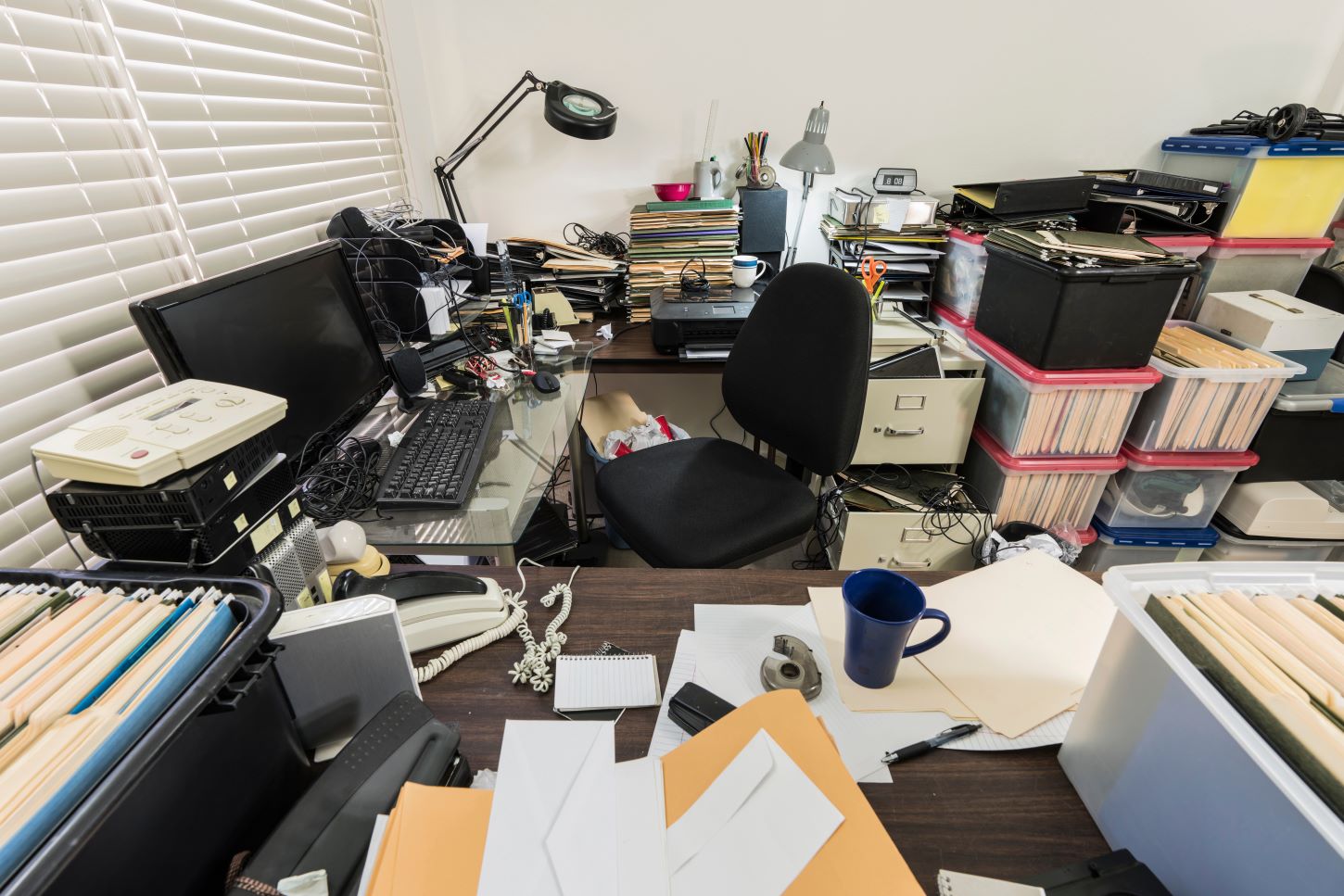
Most desk organization tips work—at least for a few days.
Then papers pile up, tools migrate, and clutter slowly returns.
The problem isn’t a lack of effort. It’s using organization methods that don’t match how you actually work. Sustainable desk organization focuses on systems and habits—not perfection.
If you want a clean desk that stays clean, the solution has to fit your real workday.
II. Assess Your Workspace
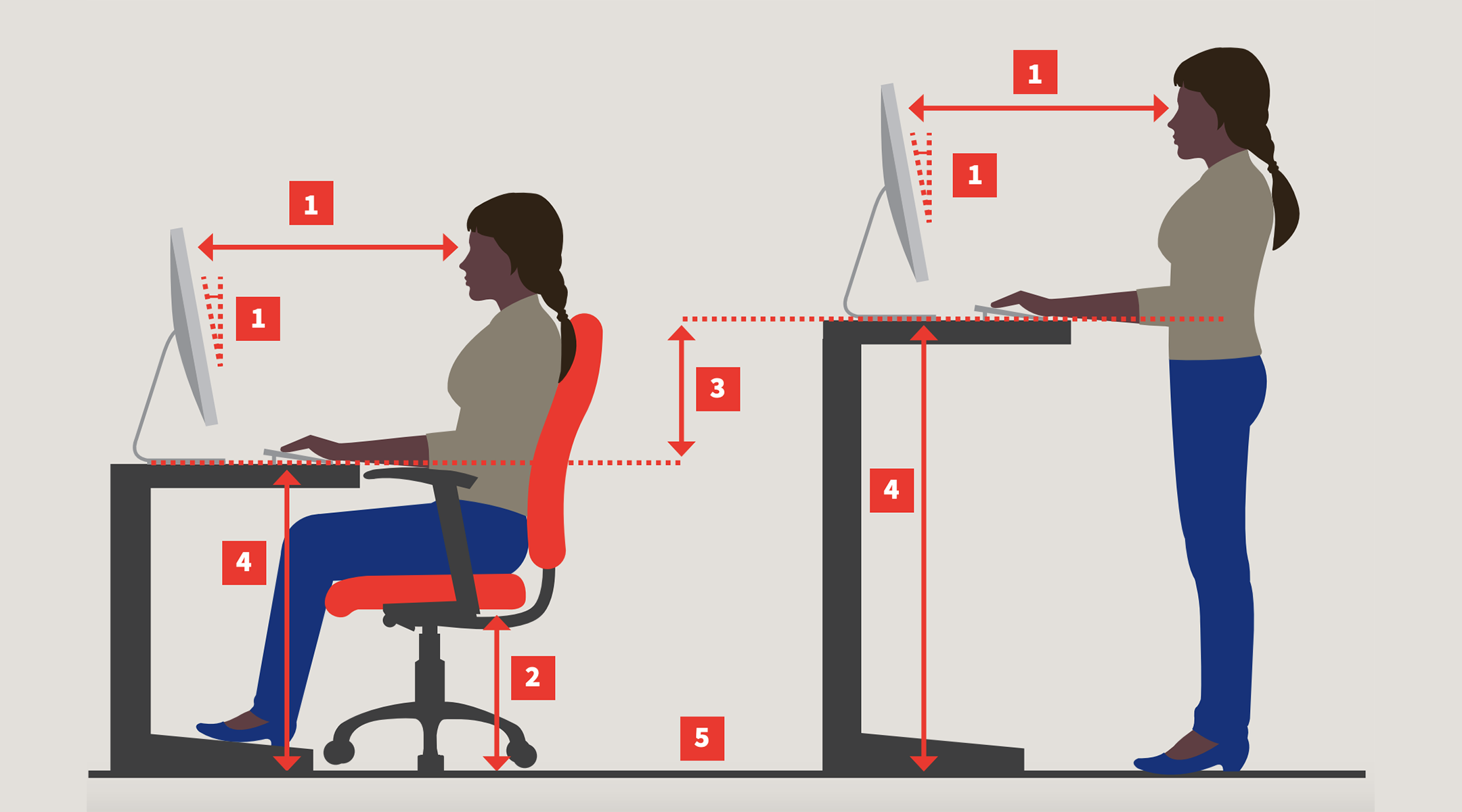


Before organizing, take a moment to observe.
• Identify Organizational Pain Points
Notice where clutter forms most often—papers, cables, or random tools.
• Understand Your Work Style
Do you switch tasks frequently? Prefer analog notes? Work digitally all day?
Your desk should support your habits, not fight them.
Clarity begins with awareness.
III. Declutter Strategically
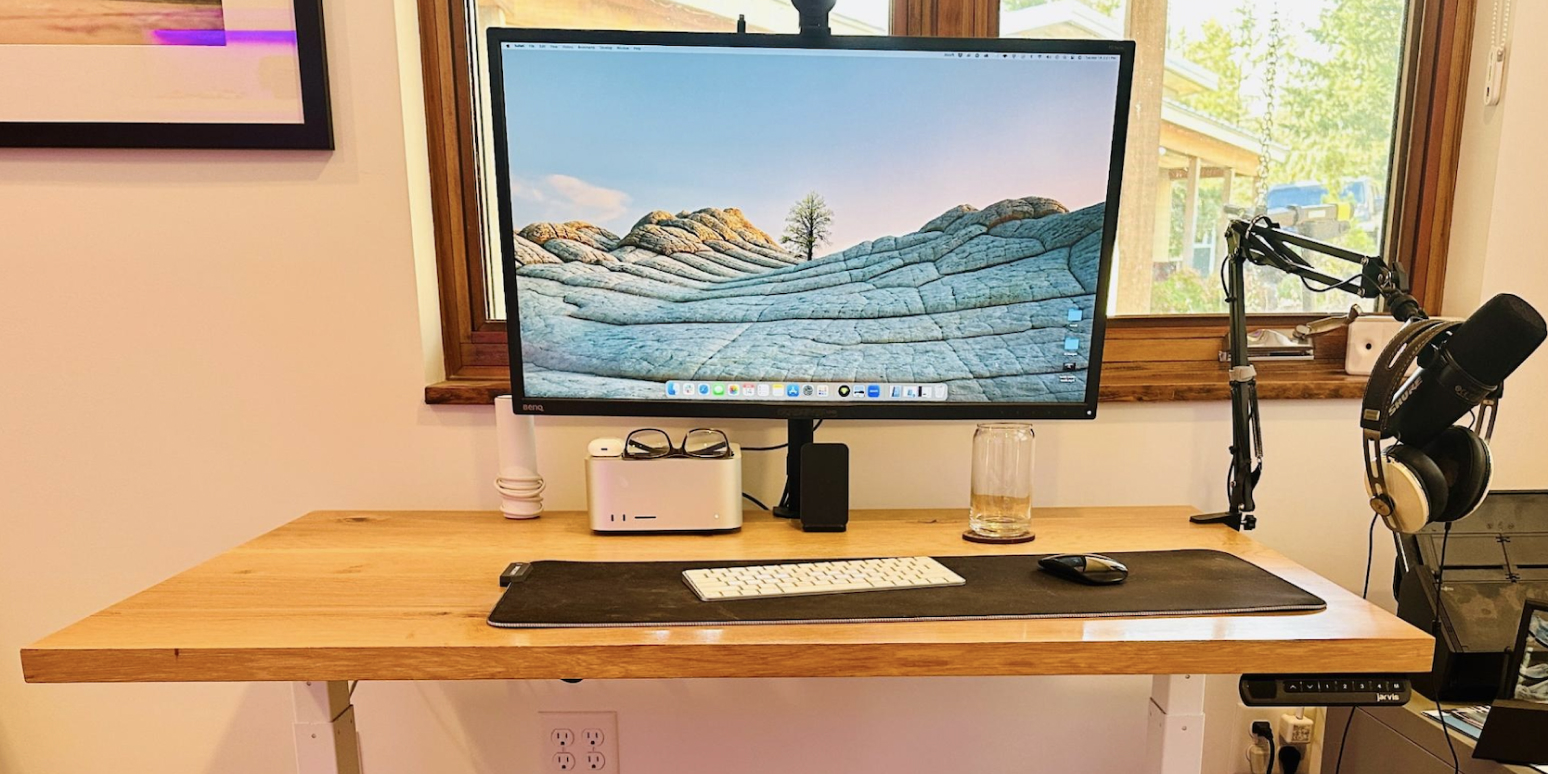

Decluttering isn’t about throwing everything away—it’s about intention.
• Minimize Unnecessary Items
Keep only what you use weekly on your desk surface.
• Create a System, Not Just Space
Every item should have a clear home. If it doesn’t, it will drift.
• Schedule Regular Purges
A quick monthly review prevents clutter from quietly accumulating.
Consistency matters more than intensity.
IV. Invest in Smart Storage Solutions

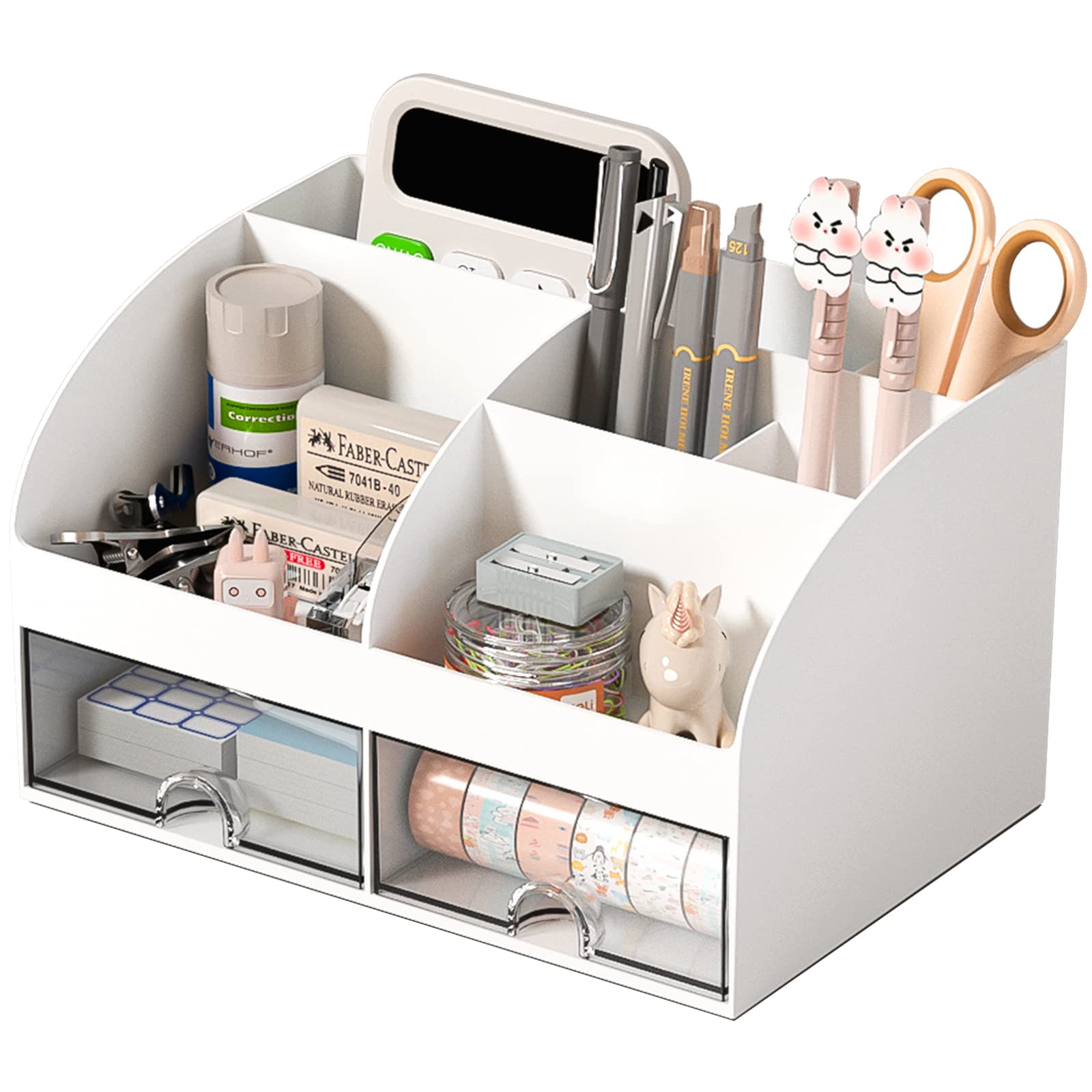

Good storage supports long-term organization.
• Use Vertical Storage
Wall shelves or risers free up desk space without sacrificing access.
• Choose Multi-Compartment Organizers
Group similar items together so nothing gets lost—or duplicated.
• Balance Digital and Physical Tools
Digital storage reduces paper clutter, but physical tools still need clear placement.
Smart storage removes daily friction.
V. Develop Sustainable Habits
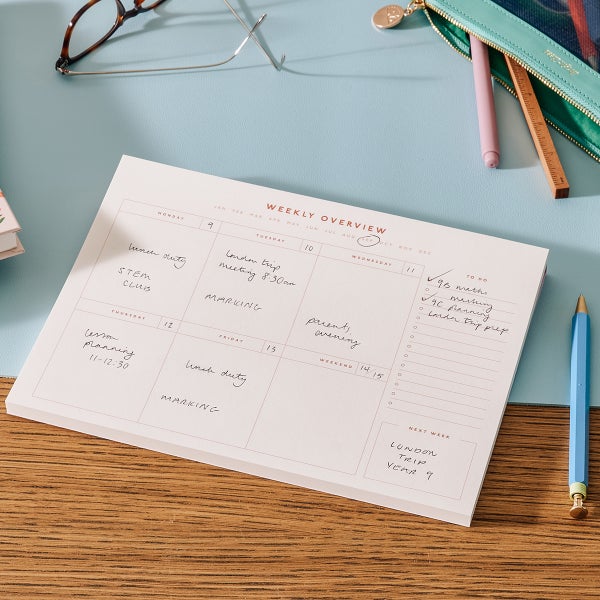

Lasting organization is built on simple routines.
• Daily 5-Minute Cleanup
Reset your desk at the end of each workday.
• End-of-Week Check
Review papers, files, and tools before starting the next week.
• Create Repeatable Workflows
The more automatic your habits, the less effort organization requires.
Small actions, repeated often, create stability.
VI. Maintain Motivation
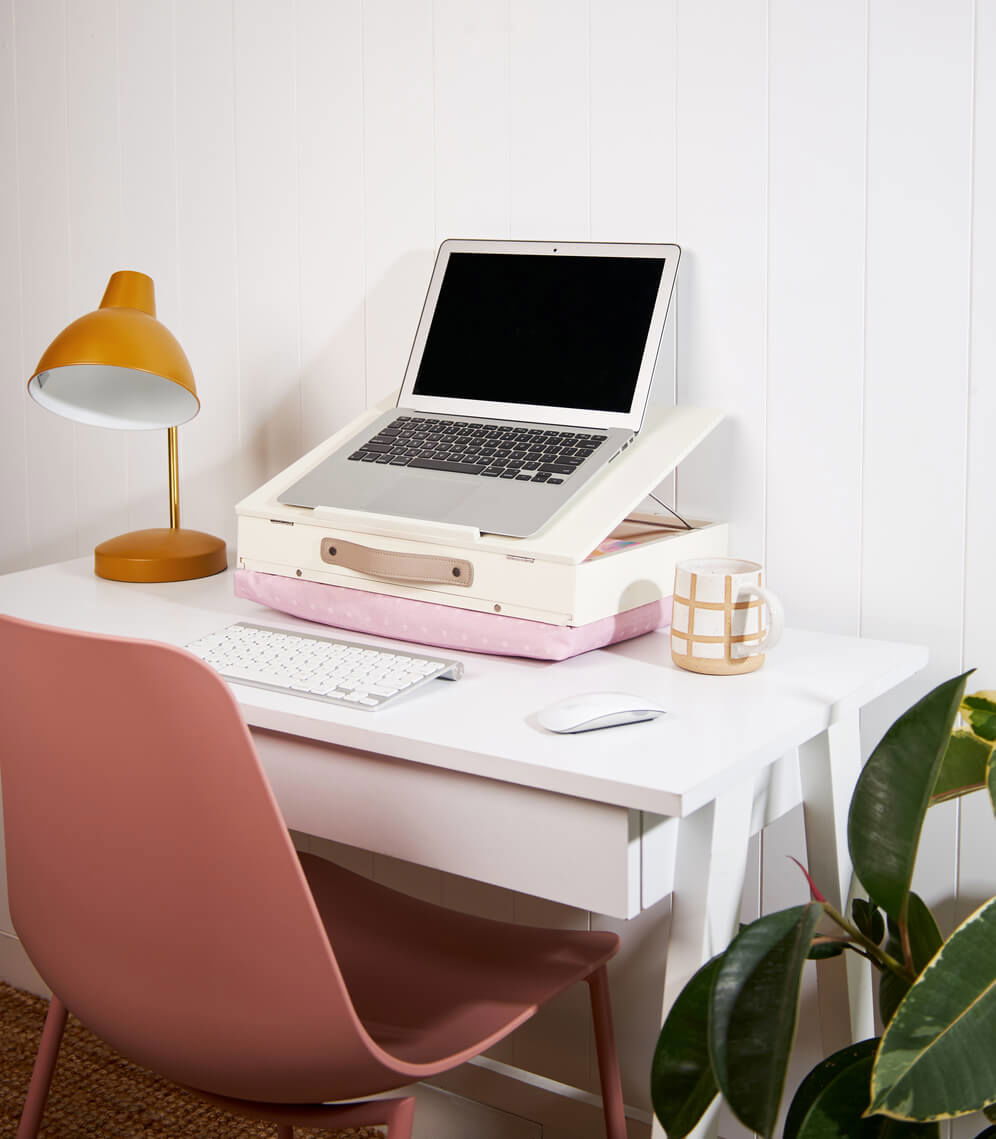

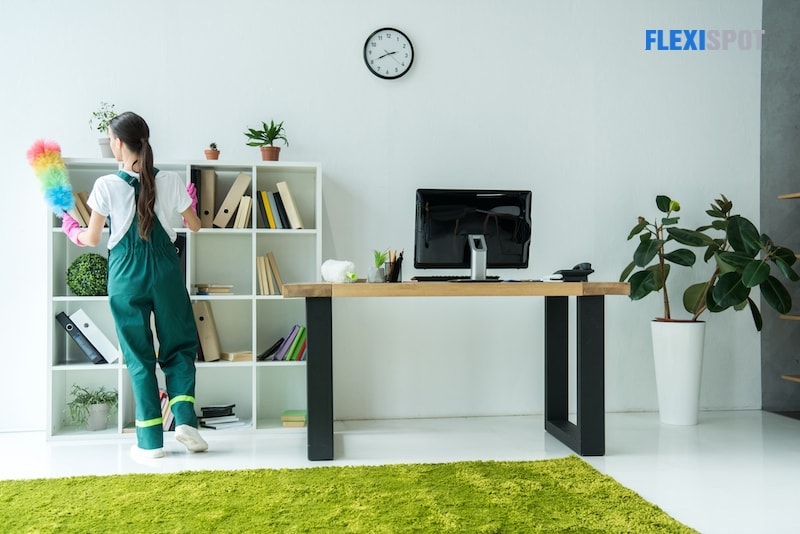
Staying organized is easier when it feels rewarding.
• Set Realistic Goals
Aim for “functional and calm,” not magazine-perfect.
• Track Progress
Notice how long your desk stays clear—and how it affects your focus.
• Reward Milestones
A new accessory, a better chair, or a calmer workday is worth celebrating.
Organization should support your life—not add pressure.
VII. Conclusion


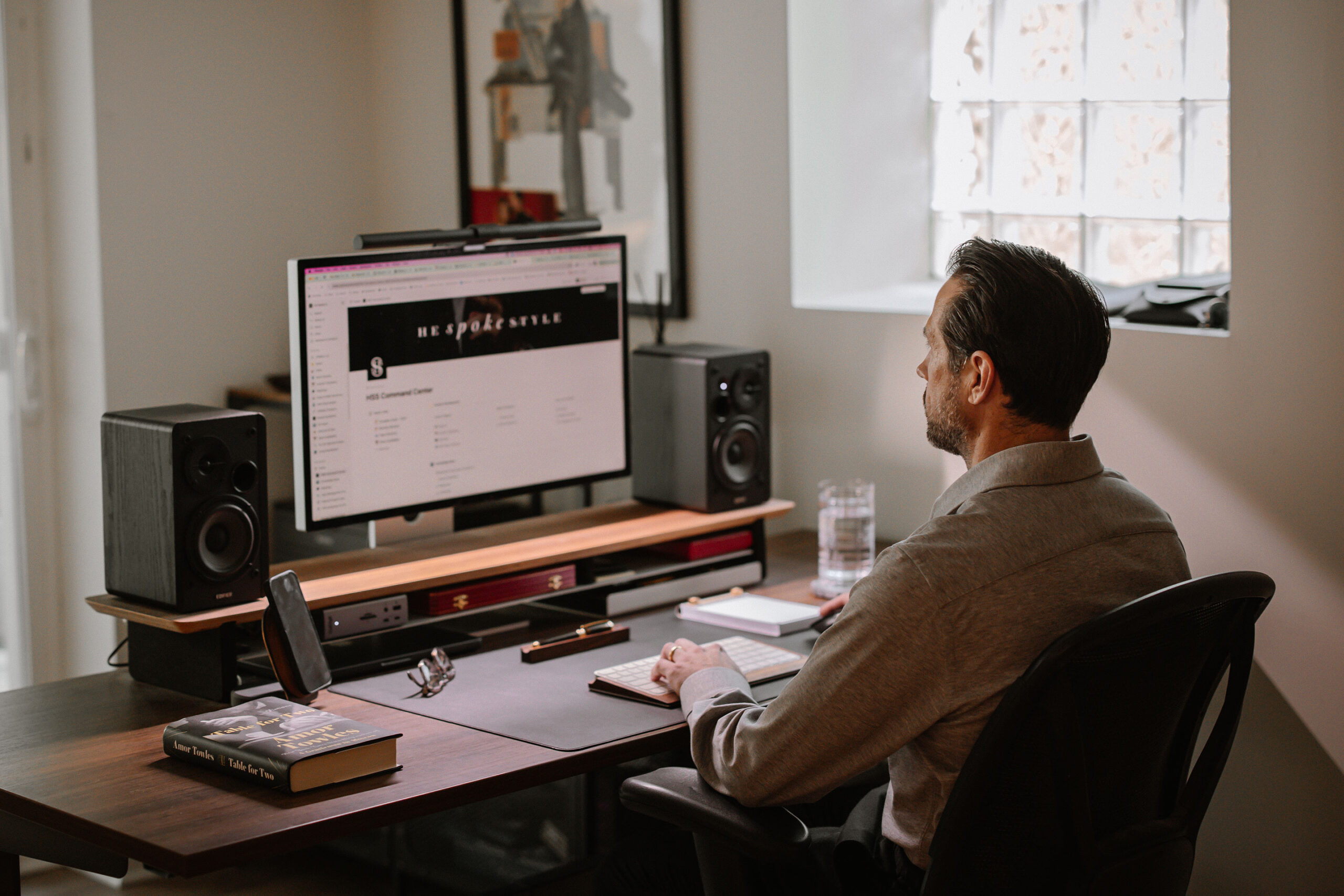
Desk organization that actually lasts isn’t about discipline—it’s about design.
When your workspace aligns with your habits, maintaining order becomes effortless. Start with one system, build one habit, and let consistency do the rest.
Organize your desk for the way you work.
Clarity will follow.