


How a Physical Planner Changes the Way You Think


I. Introduction
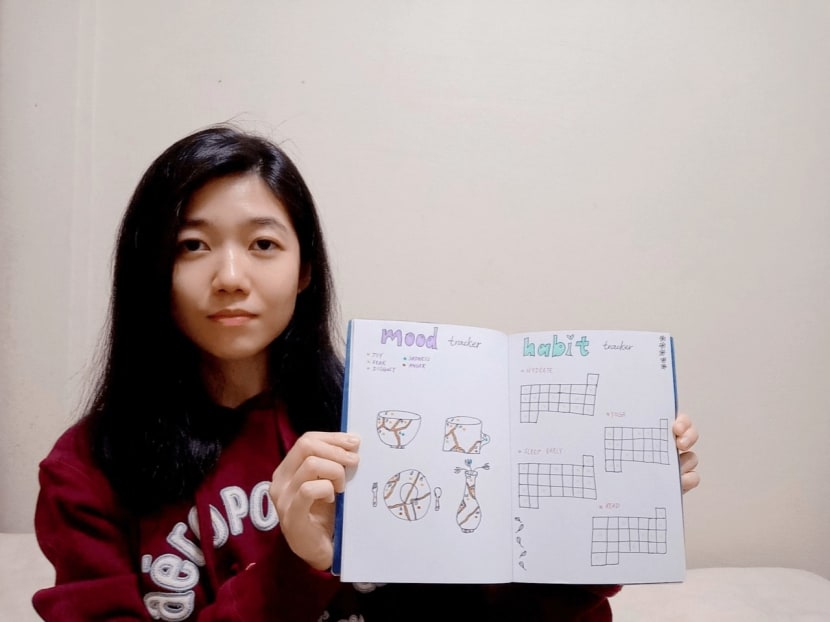
In a world dominated by screens, physical planners may seem old-fashioned. Yet many people who switch to handwritten planning notice something unexpected—not just better organization, but a change in how they think.
A physical planner slows your thoughts down. It creates space between intention and action. And in that space, clarity begins to form.
Handwriting isn’t just a method of recording tasks. It’s a way of shaping thought itself.
II. Cognitive Benefits of Physical Planning
Enhanced memory retention
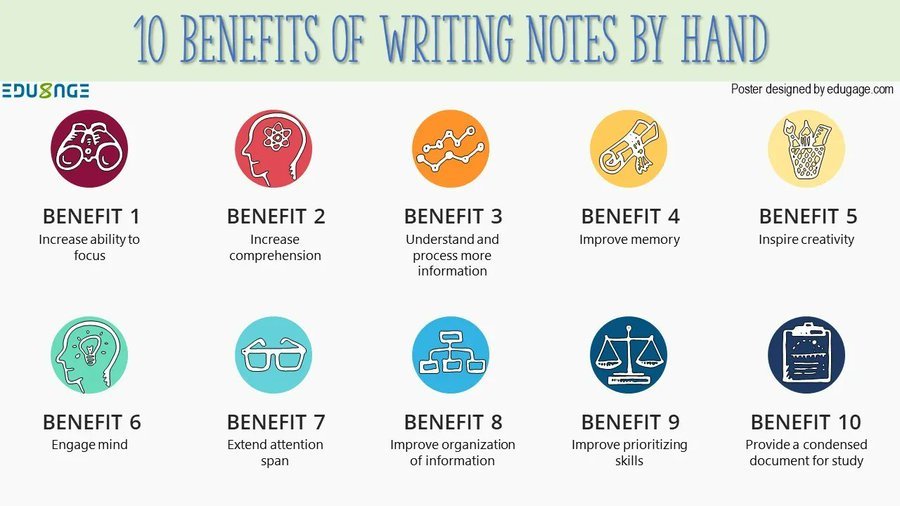
When you write by hand, your brain processes information more deeply. The act of forming letters reinforces memory, making tasks and plans easier to recall.
Improved focus and clarity
Physical planners encourage single-task thinking. With no tabs to switch or notifications to check, your attention stays with the page in front of you.
Neurological advantages of handwriting
Handwriting activates multiple areas of the brain at once—motor, visual, and cognitive. This integrated activity supports clearer thinking and stronger mental connections.
III. How Physical Planners Transform Thinking


A more deliberate thought process
Writing takes time. That slowness forces you to choose words and priorities carefully instead of reacting impulsively.
Reduced digital distractions
Physical planners exist outside the digital ecosystem. They don’t invite multitasking or endless scrolling, allowing your mind to stay present.
Increased mindfulness and intention
Planning by hand feels personal. Each page reflects conscious decisions, not automated suggestions. This fosters a stronger sense of ownership over your time.
IV. Practical Tips for Effective Physical Planning
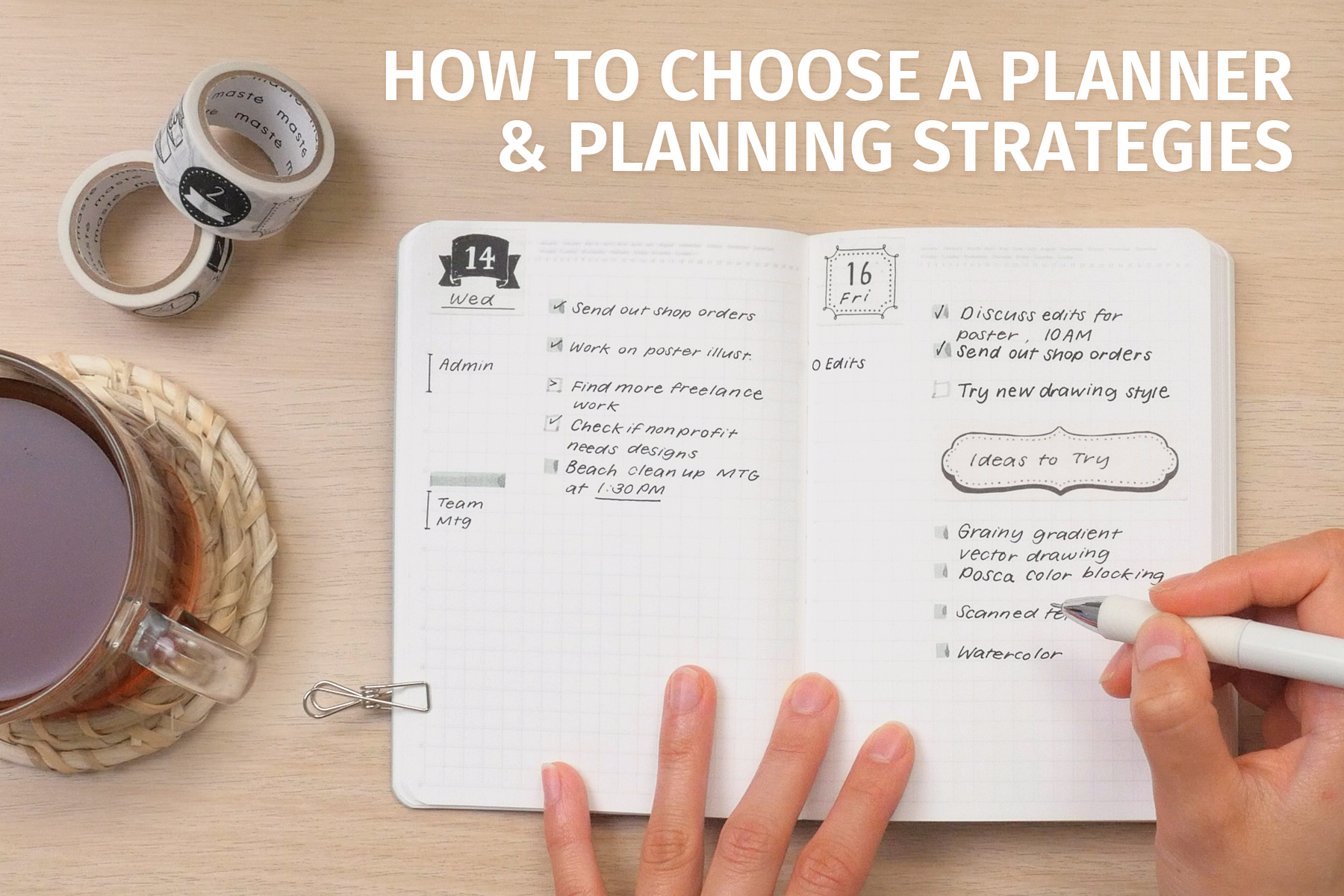


Choosing the right planner
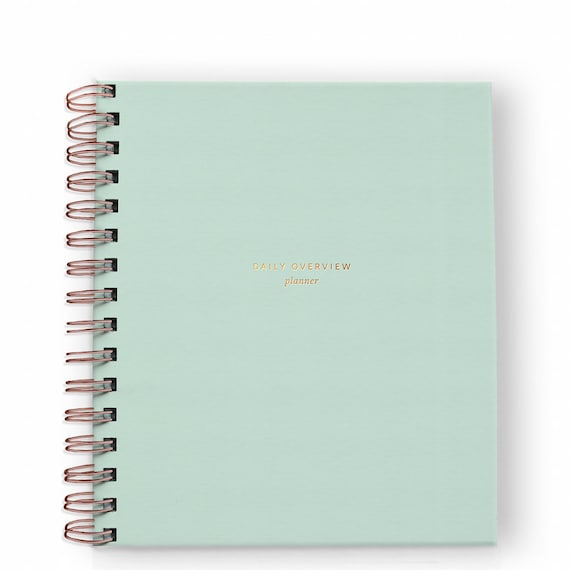
Look for a layout that feels calm and open. Avoid overly complex designs that distract from thinking.
Developing a consistent planning routine
Choose a regular time—morning intention-setting or evening reflection. Consistency turns planning into a grounding ritual.
Integrating handwritten planning into daily life
Keep your planner visible and accessible. Use it not just for tasks, but for thoughts, priorities, and reflections.
V. Conclusion

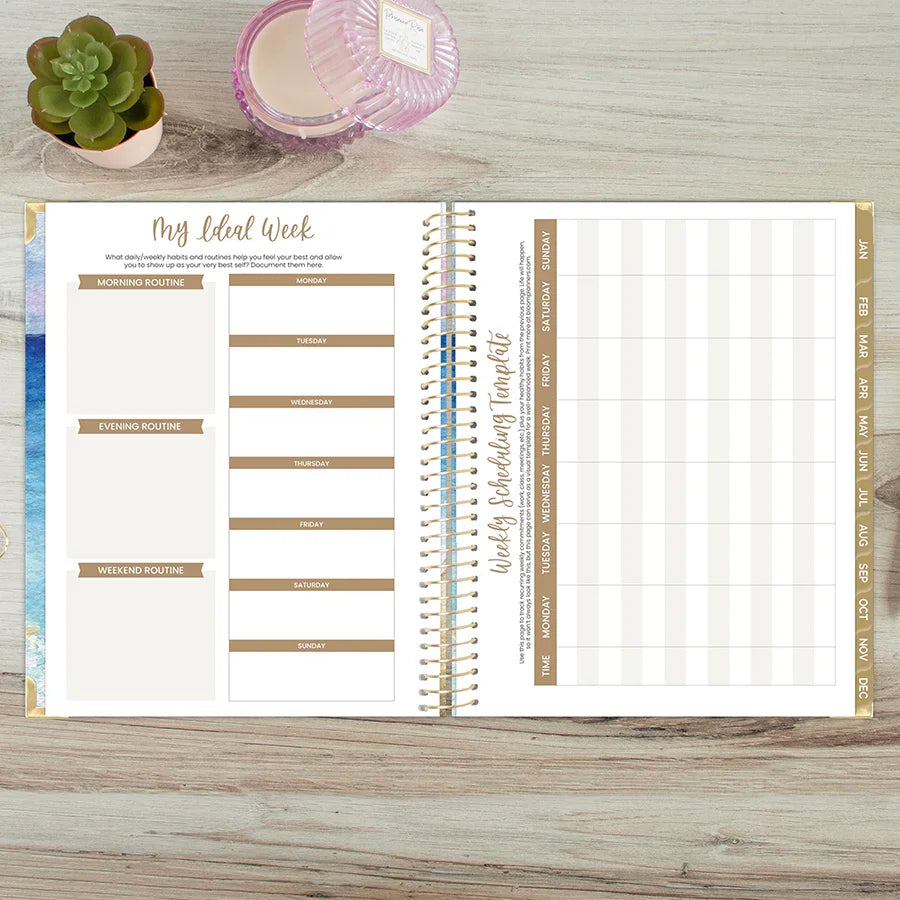

A physical planner doesn’t just organize your schedule—it reshapes how you think.
By engaging your mind more deeply, reducing distractions, and encouraging intentional reflection, handwritten planning creates clarity that digital tools often can’t.
If your thoughts feel rushed or scattered, try putting them on paper.
Sometimes, the simplest tools create the most meaningful change.