


How Desk Clutter Affects Your Brain (Backed by Psychology)
I. Introduction
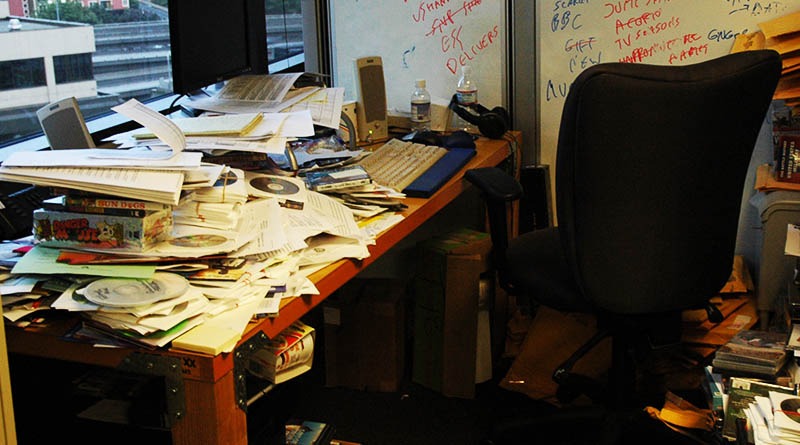

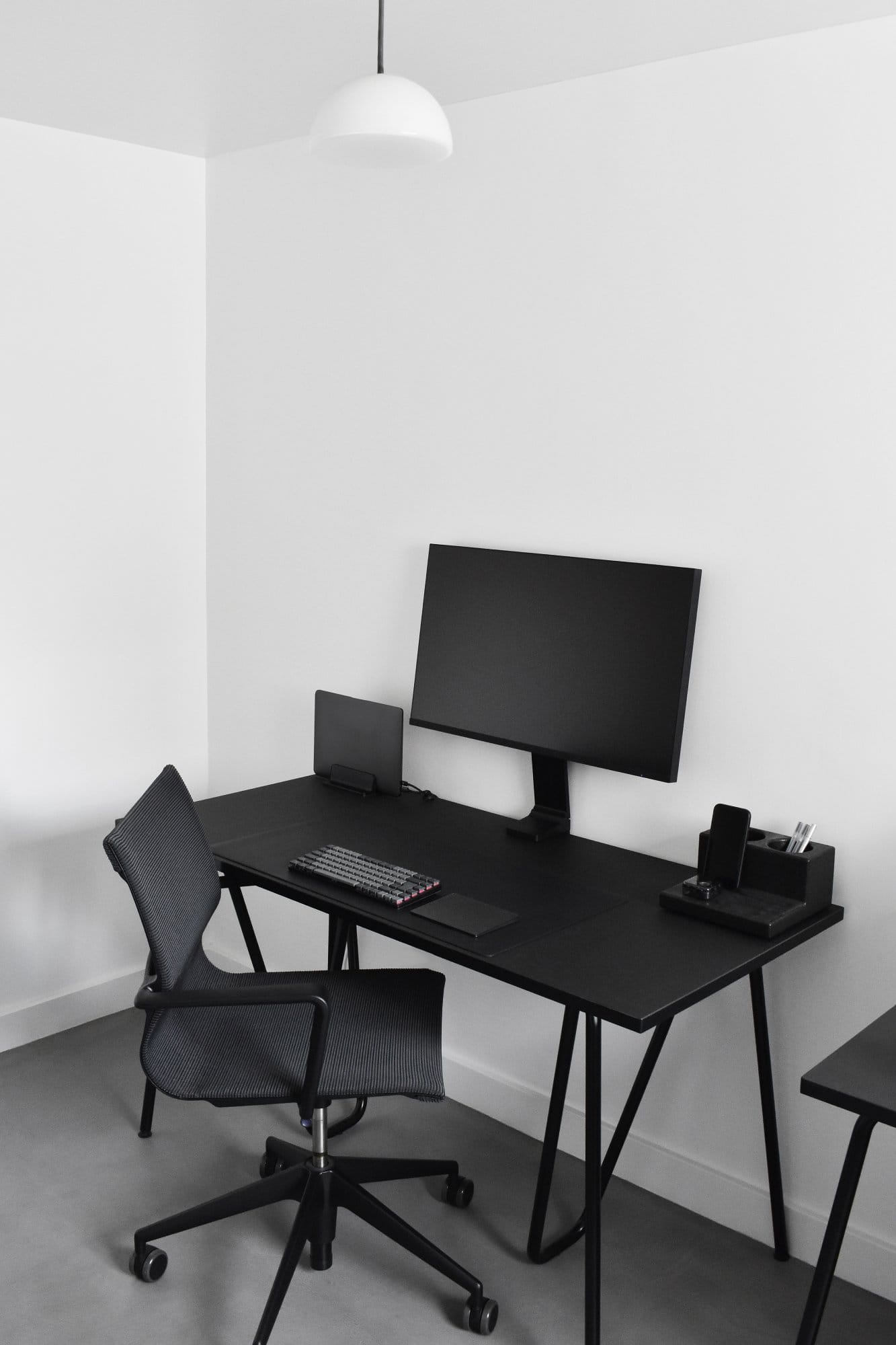
Desk clutter is often treated as a surface-level problem.
Something you fix with a quick clean or a weekend reset.
But psychology tells a deeper story.
Your brain doesn’t ignore clutter—it processes it constantly.
Every object in your visual field competes for attention, whether you’re aware of it or not.
The way your desk is organized directly affects how clearly you think, how well you focus, and how much mental energy you have left at the end of the day.
II. The Psychology of Visual Clutter

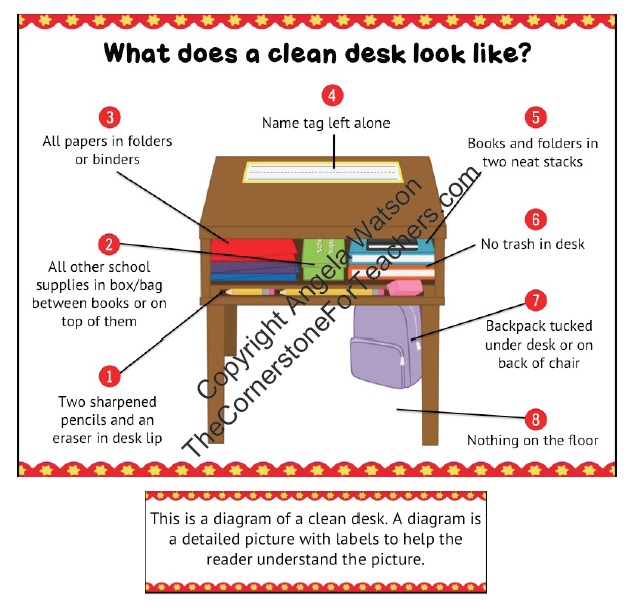
Why your brain reacts to mess
From a psychological perspective, visual clutter signals unfinished tasks and unresolved information.
When your desk is crowded, your brain:
-
Tries to categorize everything at once
-
Struggles to identify what matters right now
-
Stays in a low-level state of alert
This constant background processing increases cognitive stress—even if you feel “used to” the mess.
Neurological response to disorganized spaces
Studies in environmental psychology show that cluttered environments activate stress-related neural pathways, making it harder for the brain to relax into focused work.
In short:
A messy desk keeps your brain slightly on edge.
III. Cognitive Overload and Productivity
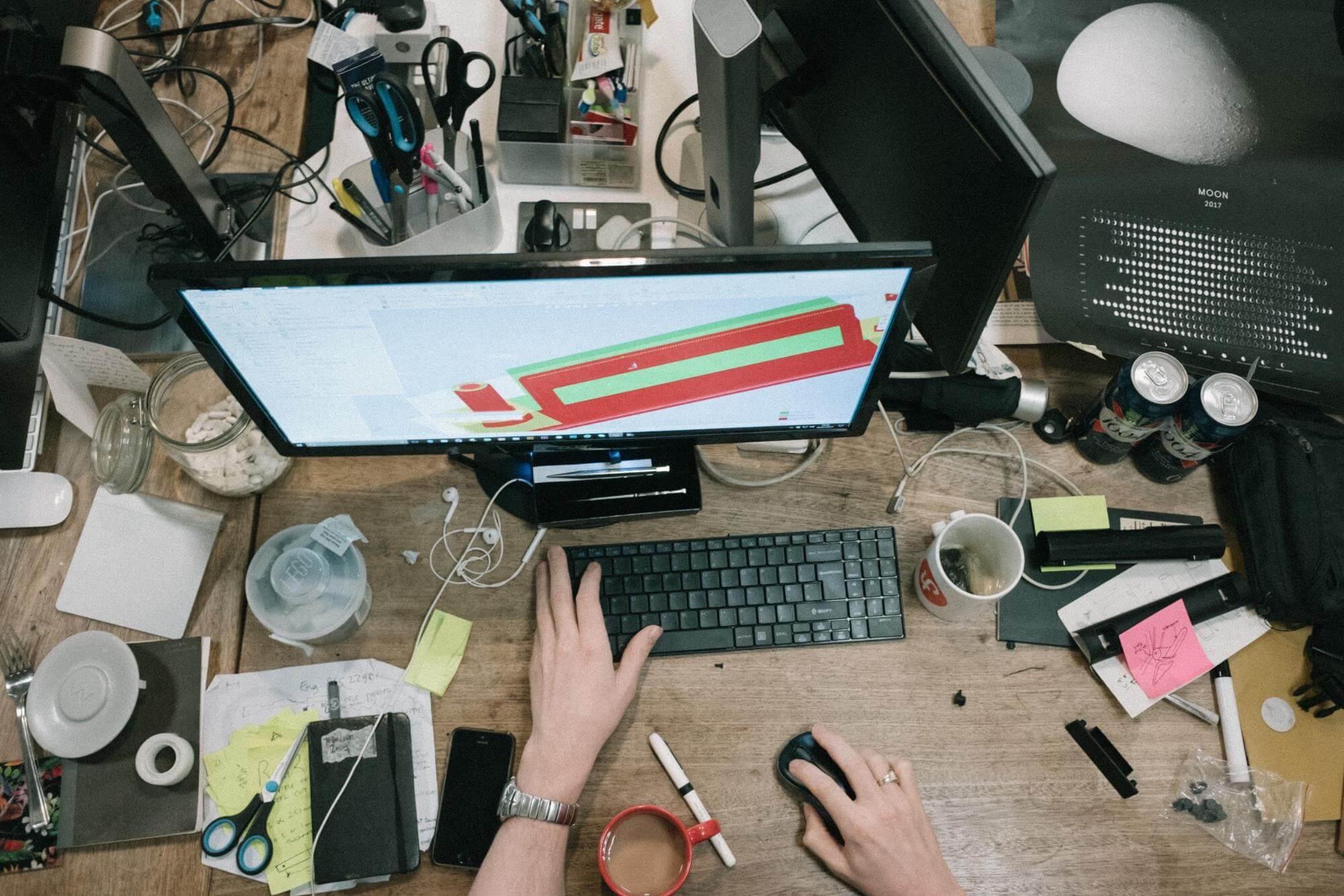
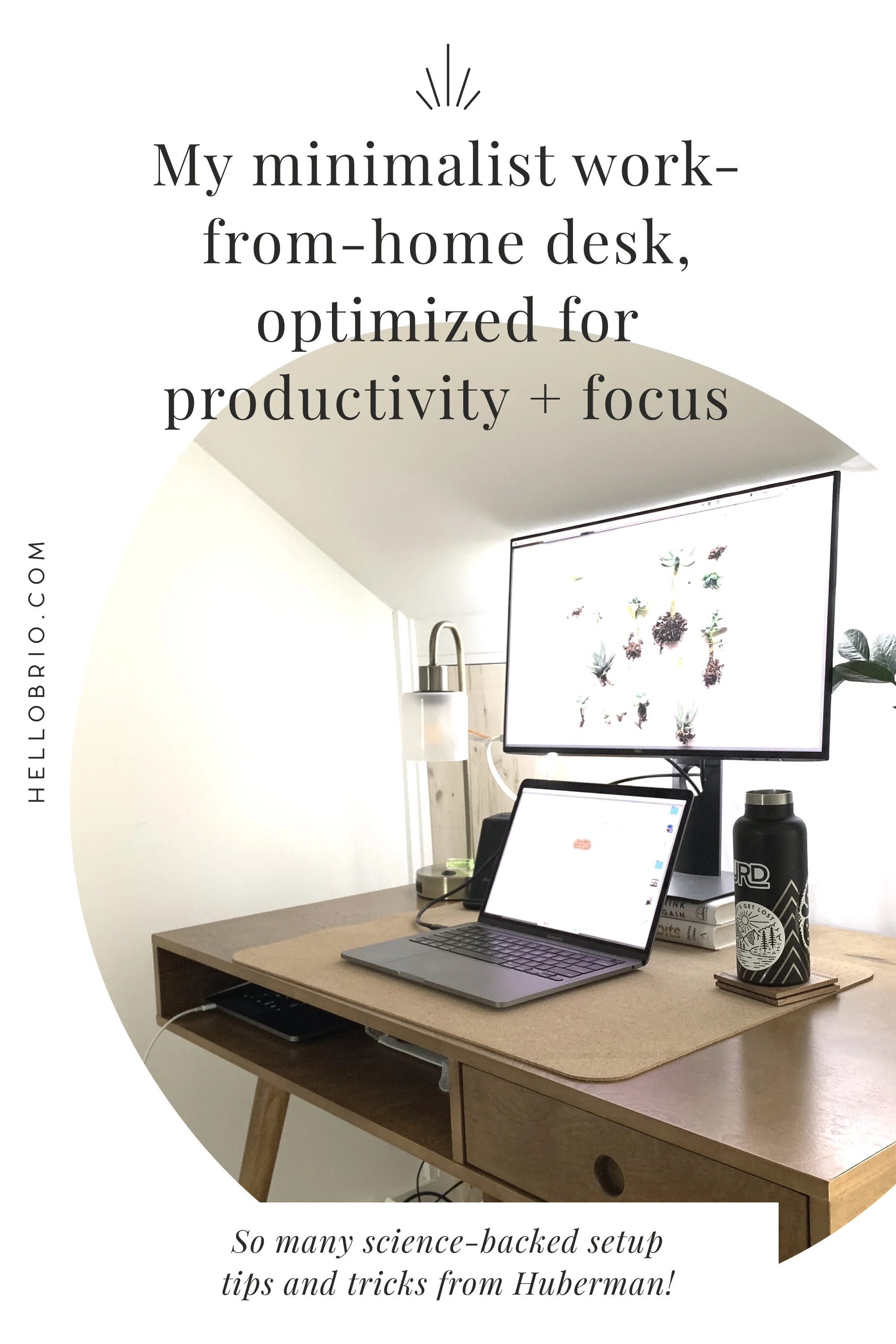
When clutter competes for attention
Your attention is a limited resource.
Clutter drains it before you even begin working.
Each visible item asks an unconscious question:
-
“Is this important?”
-
“Should I deal with this now?”
-
“Am I forgetting something?”
This leads to cognitive overload, where your brain spends energy filtering instead of thinking.
Impact on focus and decision-making
The more clutter you see:
-
The harder it is to maintain deep focus
-
The quicker mental fatigue sets in
-
The more difficult even small decisions become
Productivity doesn’t fail suddenly—it erodes quietly.
IV. Psychological Effects of a Cluttered Workspace


Increased anxiety
Clutter is strongly linked to elevated stress and anxiety levels.
It creates a feeling that things are “out of control,” even when work itself isn’t overwhelming.
Reduced concentration
Disorganized desks reduce the brain’s ability to stay with one task at a time.
This results in frequent context switching and shallow work.
Creativity blockage
Creativity thrives in mental space.
When your desk is visually crowded, your mind has less room to explore new ideas.
A cluttered space often leads to a cluttered thought process.
V. Brain Science Behind Workspace Organization

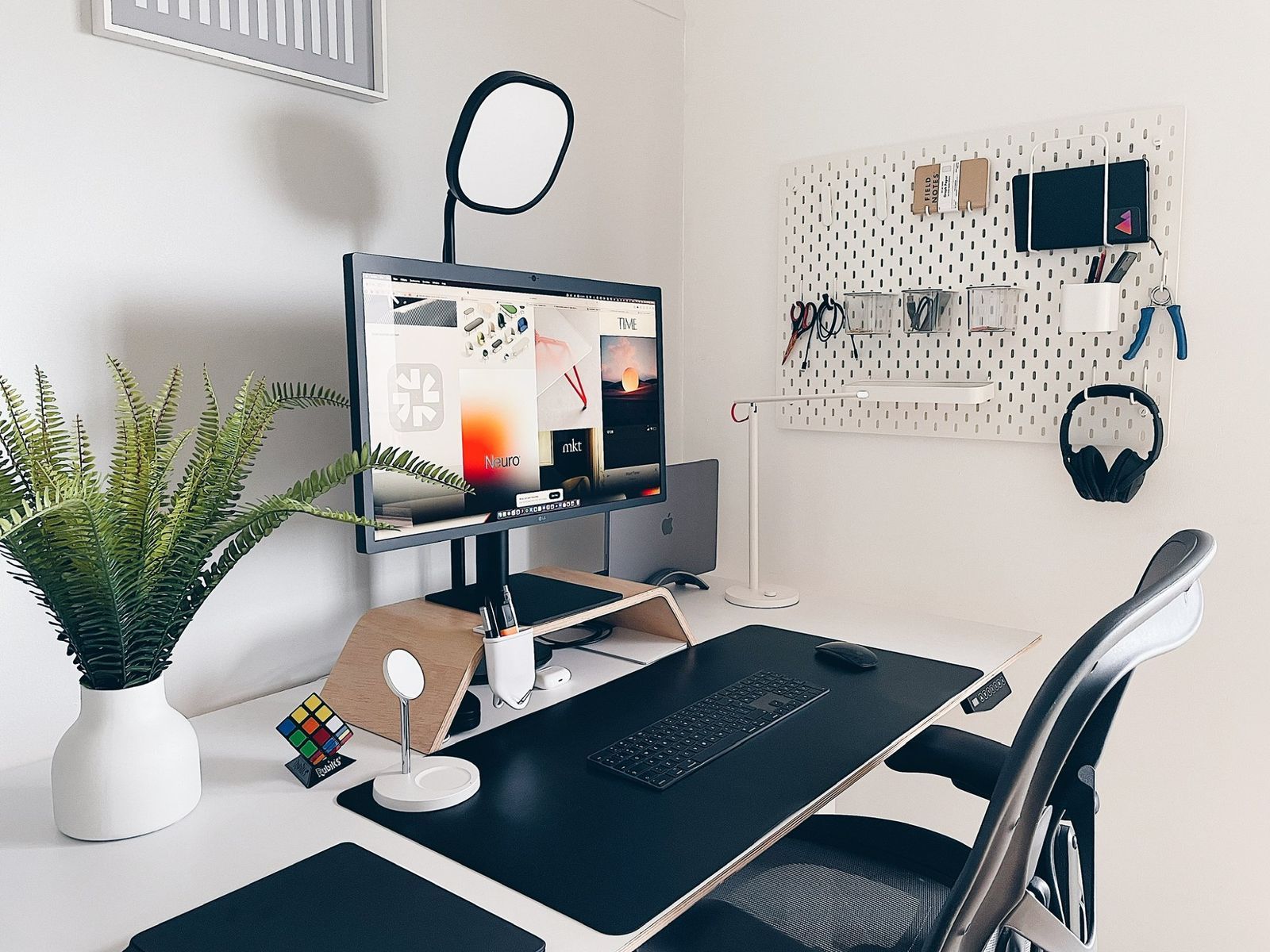

Why organized environments feel better
Neuroscience research shows that organized spaces help the brain:
-
Process information more efficiently
-
Reduce stress hormone activity
-
Maintain attention for longer periods
When your environment is predictable and structured, your brain can focus on higher-level thinking instead of constant filtering.
The case for workspace minimalism
Minimalism isn’t about emptiness—it’s about reducing unnecessary stimuli.
A desk designed around function, not storage, supports:
-
Mental clarity
-
Emotional balance
-
Sustainable productivity
VI. Practical Tips for Decluttering


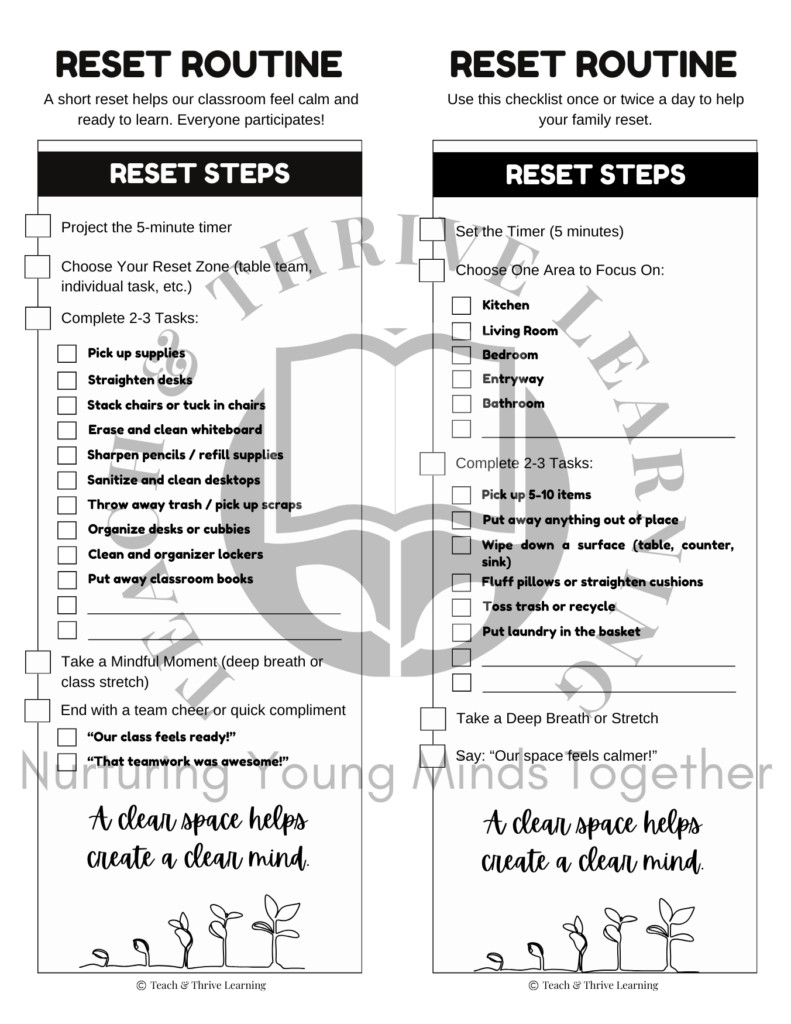
Simple strategies that actually work
-
Remove items not related to today’s work
-
Create clear zones (work, tools, temporary items)
-
Use trays or organizers to limit visual spread
The goal isn’t perfection—it’s mental relief.
Immediate benefits you’ll notice
Most people report:
-
A calmer mindset within minutes
-
Improved focus without extra effort
-
Less resistance to starting tasks
Your brain responds quickly when visual noise is reduced.
VII. Conclusion
Desk clutter isn’t just a design issue—it’s a psychological one.
Backed by psychology and brain science, the evidence is clear:
Your workspace shapes how your mind performs.
By reducing visual clutter and creating a structured desk environment, you’re not just organizing objects—you’re protecting your mental energy.
Start small.
Change what your brain sees.
A calmer desk creates space for clearer thinking, better focus, and more meaningful work.