


How High Performers Use Simple Desk Systems

I. Introduction
Your workspace quietly shapes how you think, focus, and perform.
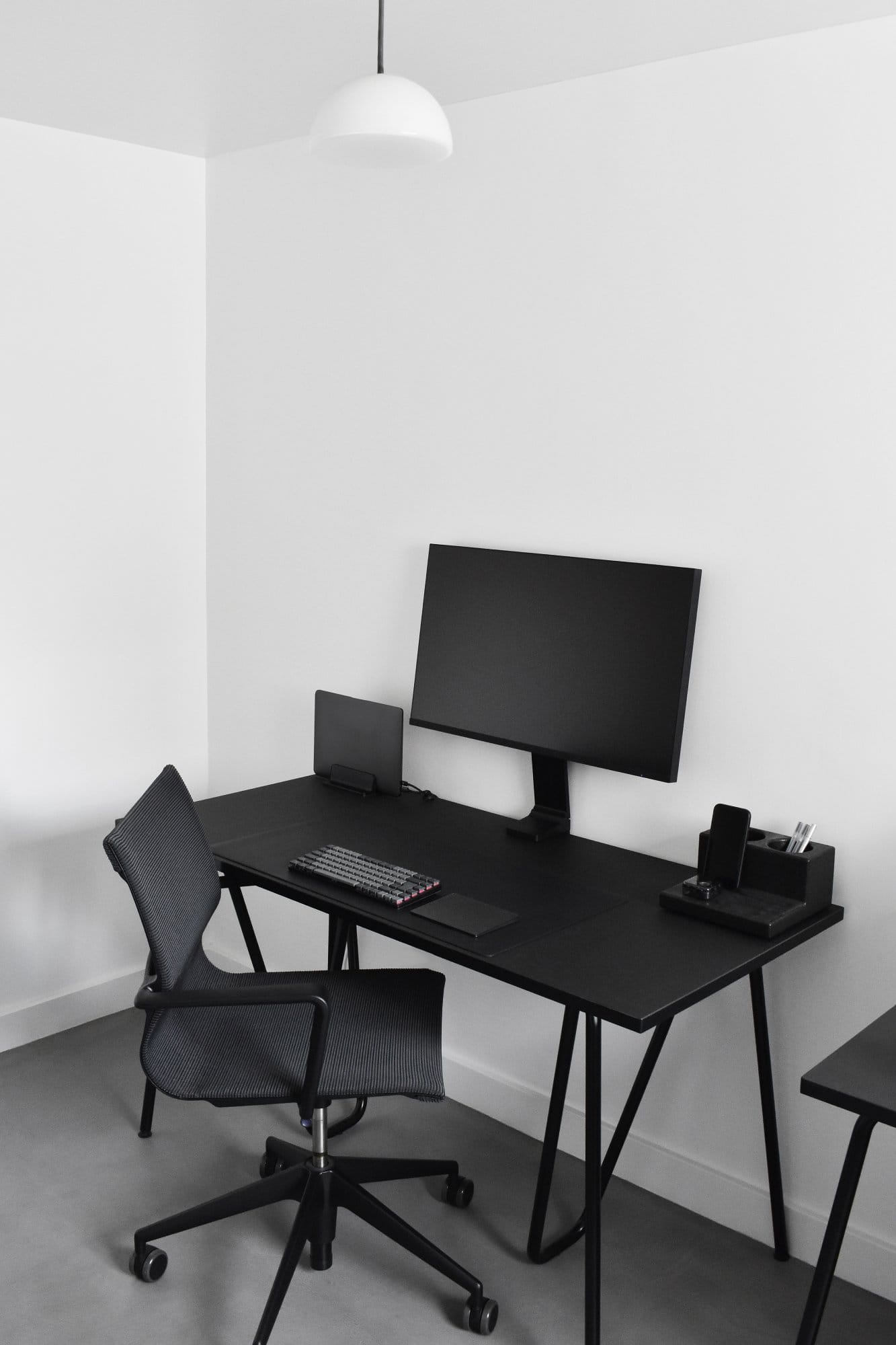
High performers across industries—from executives to creators—often share one thing in common: a simple, intentional desk system. Instead of surrounding themselves with clutter, they design their workspace to reduce friction and support deep focus.
A simple desk system isn’t about aesthetics alone. It’s a practical strategy for better productivity, clarity, and mental energy.
II. Key Components of a High Performer’s Desk System


Minimalism as a productivity strategy
High performers remove anything that doesn’t directly support their work. Fewer items mean fewer distractions and fewer decisions.
Essential tools and organization principles
Most high-performing desks include only:
-
One primary planning tool (planner or notebook)
-
One writing instrument
-
A small tray or container for essentials
Everything else lives off the desk, ready but not visible.
III. 3 Core Strategies for an Efficient Desk Setup

1. Decluttering with intention
Instead of asking “What should I keep?”, high performers ask “What do I actually use daily?” If it doesn’t earn its place, it goes.
2. Ergonomic considerations
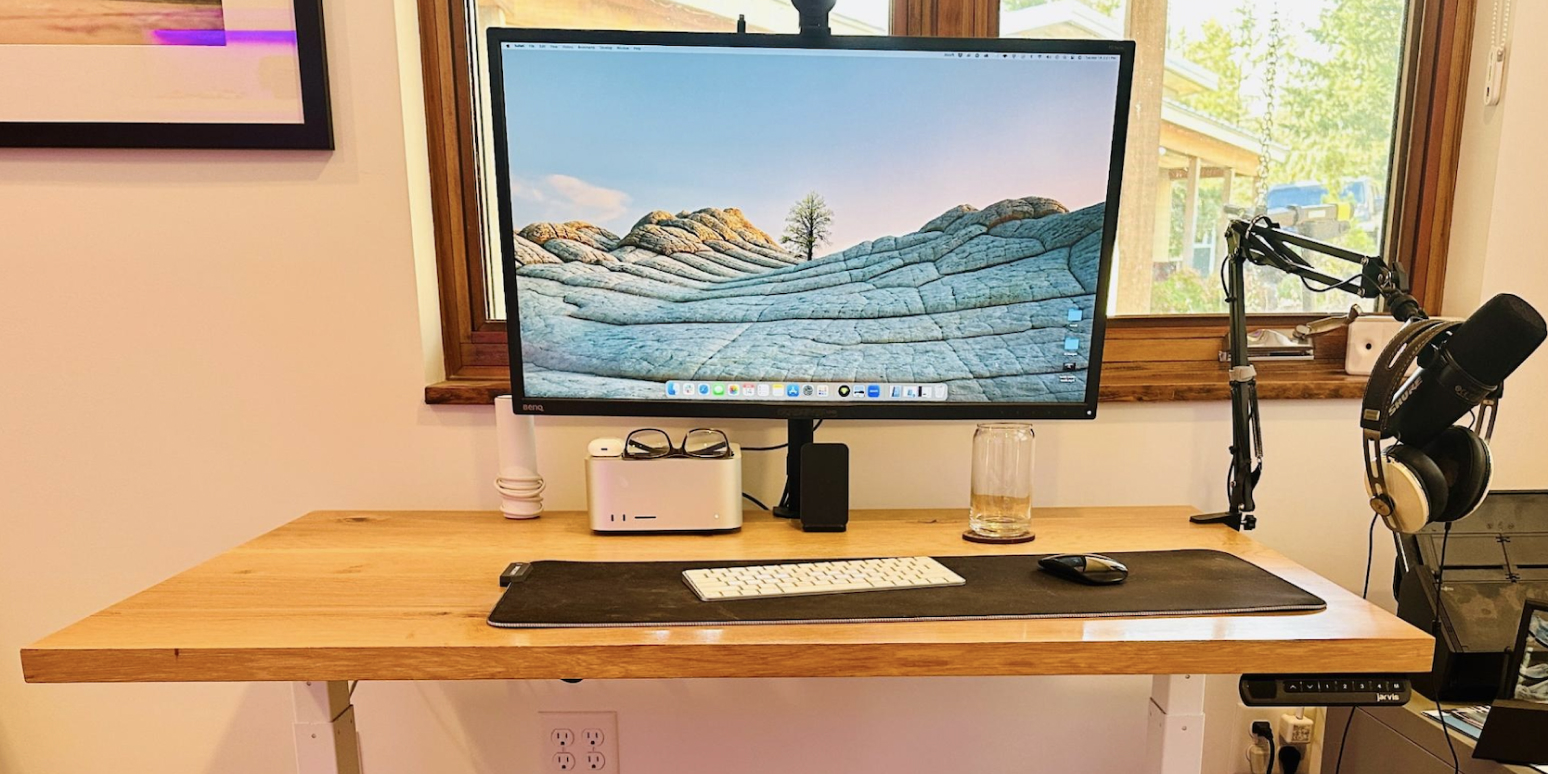
A simple desk still supports the body. Proper chair height, screen alignment, and keyboard placement reduce physical strain and preserve energy throughout the day.
3. Technology management
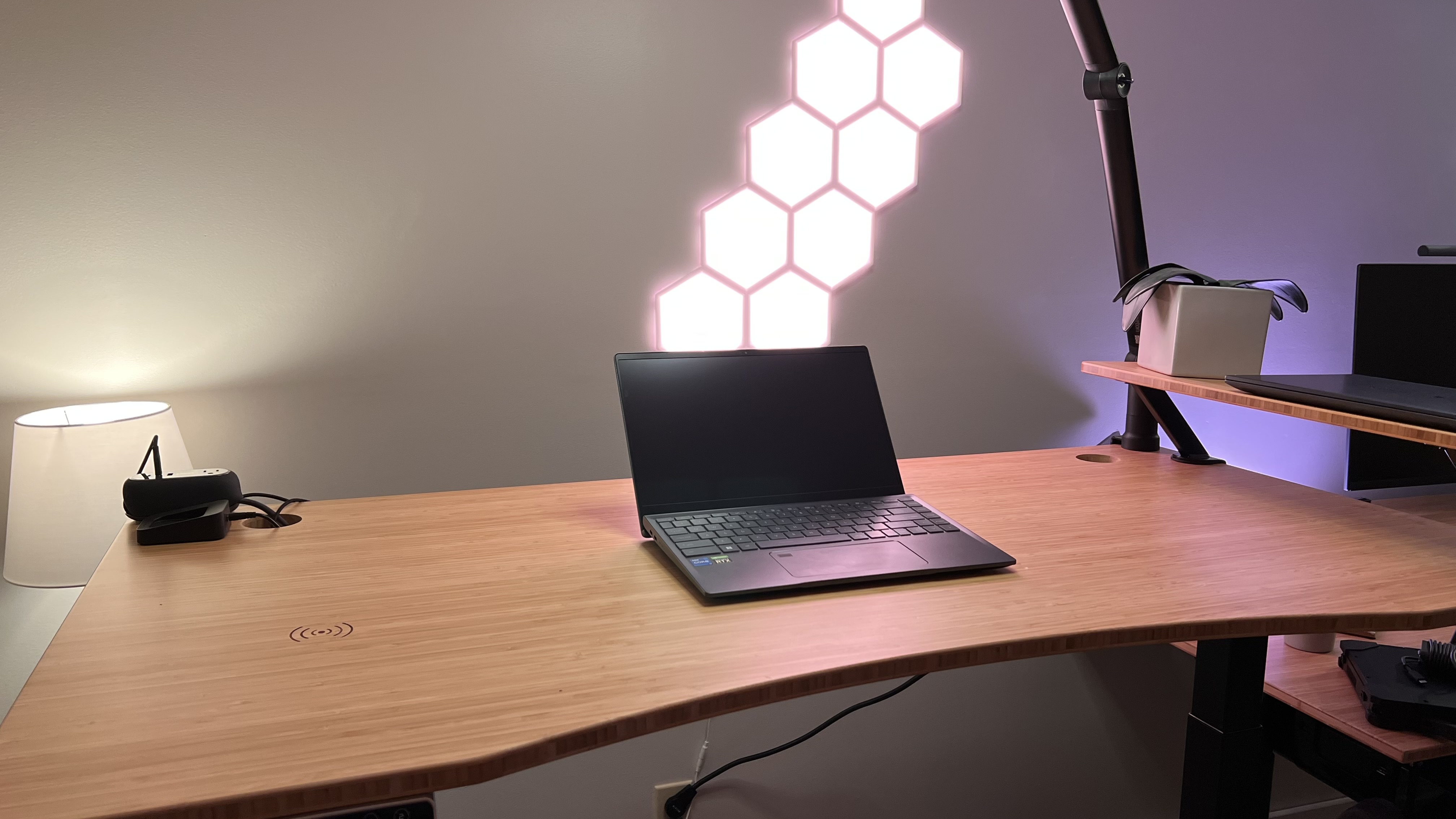
High performers limit visible tech. Fewer screens, hidden cables, and intentional device use prevent constant attention shifts.
IV. Practical Implementation Tips


Step-by-step desk system setup
-
Clear everything off your desk
-
Add back only daily-use items
-
Assign a “home” for each object
Daily maintenance techniques
End each day with a 2-minute desk reset. This keeps clutter from accumulating and preserves mental clarity.
Quick organization hacks
Use shallow trays instead of drawers. Visibility without clutter helps you stay organized without overthinking.
V. Psychological Benefits


Reduced mental clutter
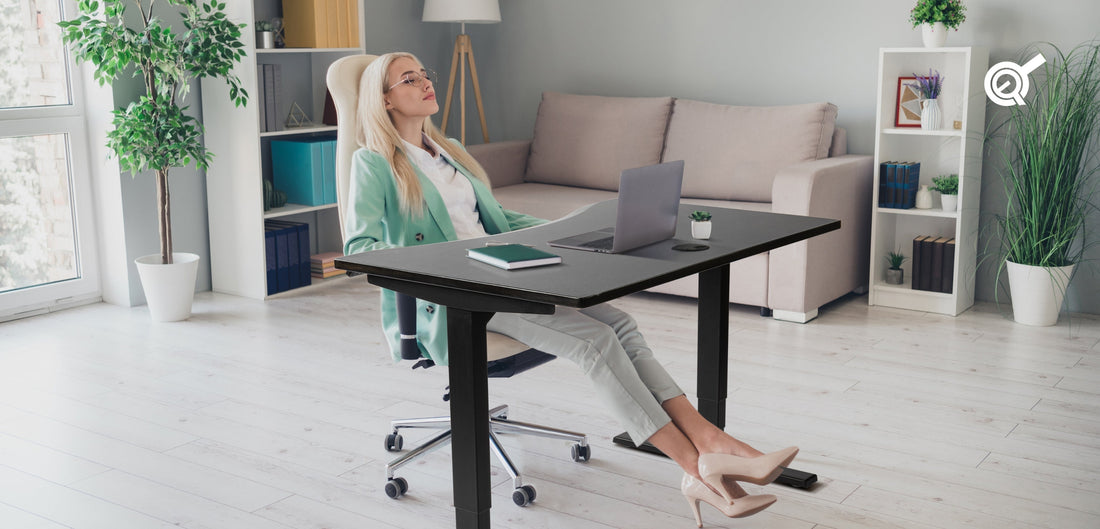
A simple desk mirrors a simple mind. When visual noise disappears, cognitive load drops naturally.
Stronger focus connection
Your brain associates the desk with focused work. Over time, simply sitting down triggers concentration—no extra effort required.
VI. Conclusion

High performers don’t rely on motivation alone—they rely on systems.
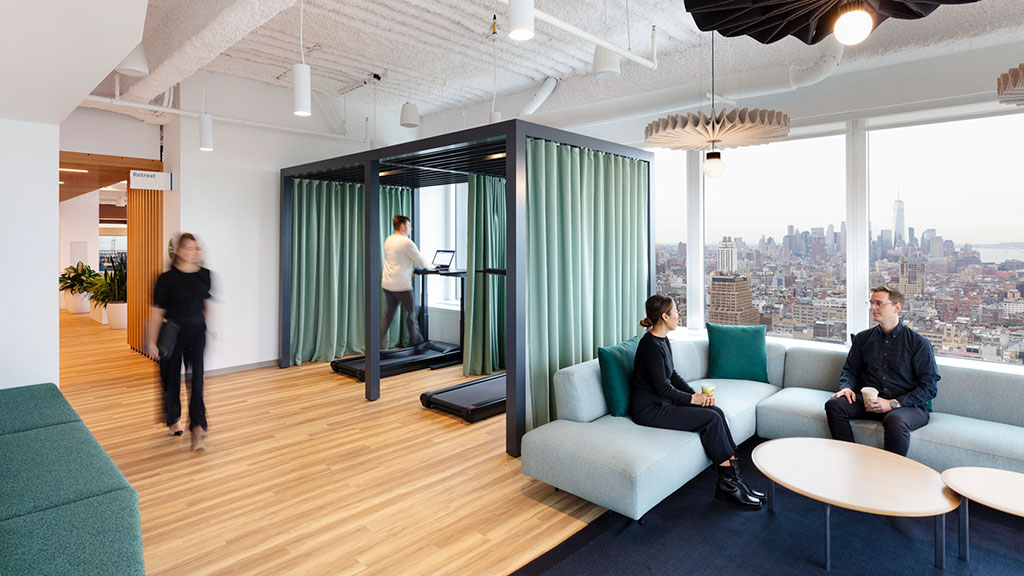
A simple desk system removes friction, supports focus, and creates a calm environment where meaningful work can happen consistently.
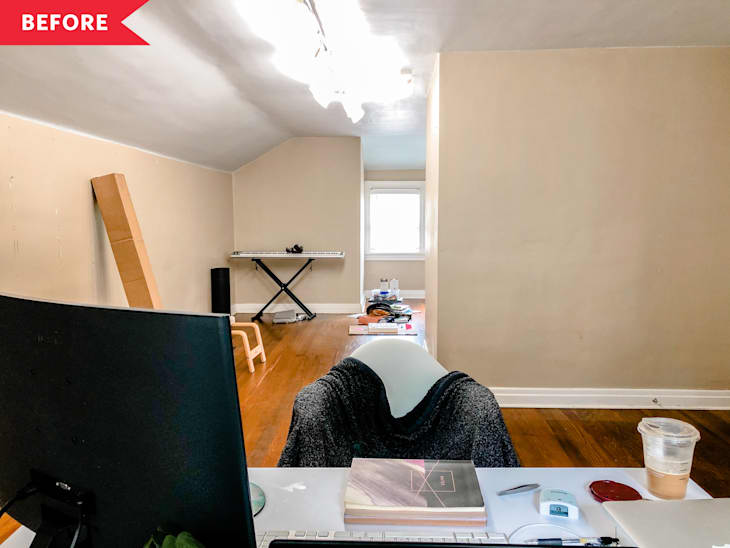
If your desk feels overwhelming, start small. Clear it, simplify it, and let your workspace work for you—not against you.