How to Use a Weekly Planner to Reduce Mental Overload

How to Use a Weekly Planner to Reduce Mental Overload

https://images.openai.com/static-rsc-3/rCW7aX6htFICfMwB_QzAUHvsLfpV1ZlZ_ZU-vh_rZ5XOgSTXsmRb9oZvDokAu6Bihqir8-9oXQrUdPC7coy2lgWKrjfQWZCnNt2YJp--WF8?purpose=fullsize
https://images.openai.com/static-rsc-3/XclVPkzvs2CJneBhP0OWBQ2PIwEewyNE7rTYLMRy_pdu-gxMZCr-jhqvXaEpOc5XXFmaSc0_YAmbzUM0rfpLk5JmpmUVzRZdUv9B1v171z4?purpose=fullsize
https://www.notion.com/_next/image?q=75&url=https%3A%2F%2Fs3-us-west-2.amazonaws.com%2Fpublic.notion-static.com%2Ftemplate%2F294c0529-61a0-49c2-bb48-5b35d1cca93e%2F1747387284034%2Fdesktop.jpg&w=3840

I. Introduction

Modern work environments demand constant attention. Emails, messages, deadlines, and personal responsibilities all compete for mental space. Over time, this leads to mental overload—a feeling of being busy but never truly focused.

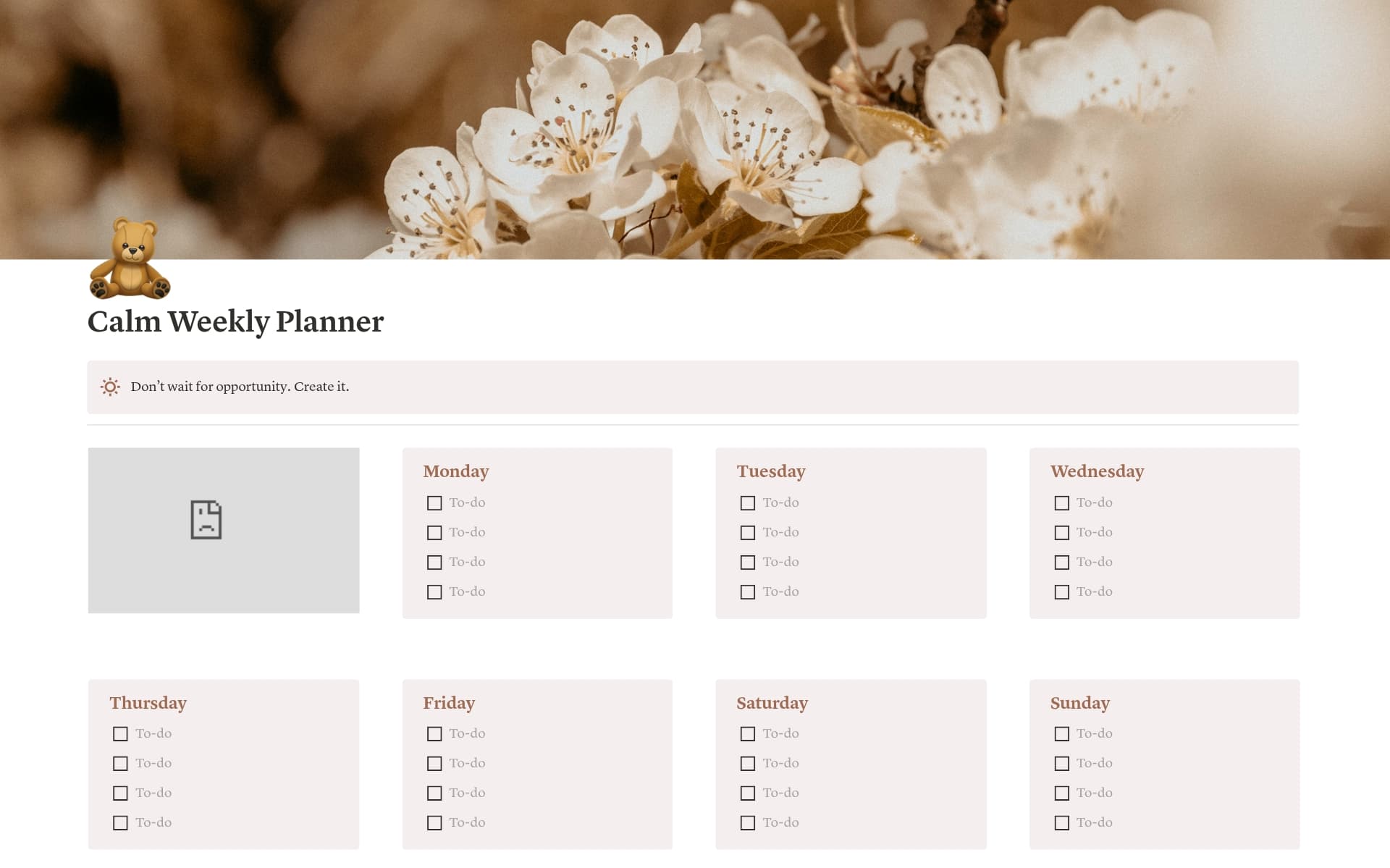
A weekly planner offers a simple but powerful solution. By organizing tasks, priorities, and time in one clear view, it helps externalize thoughts and reduce the mental clutter that drains energy and focus.


II. Understanding Mental Overload

https://www.talktoangel.com/images/newsletter/TTA-D55KE5HM/5%20Ways%20a%20Messy%20Desk%20Impacts%20Your%20Mood_Inner.svg
https://www.brother.co.uk/-/media/images/brother-uk/blog/header-images/workplace-survey-reveals-far-reaching-impact-messy-desks-2x.jpg?hash=A28AF071228F0E6F3FE569304E83B712&rev=d90c3232bfca4a4694ddbf7d11bdfa55
https://images.squarespace-cdn.com/content/v1/5a25895ce9bfdff6679a5829/2fd96394-91f3-419c-b54f-add363bef0b2/iStock-1364618526.jpg

What causes mental clutter
Mental overload often comes from holding too many unfinished tasks in your head. Open loops, unclear priorities, and constant decision-making exhaust cognitive resources.

Impact on productivity and well-being
When the brain is overloaded, focus drops, mistakes increase, and stress levels rise. Even simple tasks can feel heavier than they should, leading to burnout over time.


III. Choosing the Right Weekly Planner

https://images.openai.com/static-rsc-3/vJ5CGQBGW93K-tLeOeFWUkHUILlr9pVLK7nVPZGR4EIMp1jpOweyR1zbfHUOiwYUC9OicnG0qDTtG2jJFl1nd0I3NAWnjjU3TiWWrjy8amc?purpose=fullsize
https://i5.walmartimages.com/seo/Weekly-Planner-Ruled-for-Open-Scheduling-8-75-x-6-75-Black-Cover-12-Month-Jan-to-Dec-2024-Bundle-of-5-Each_23a048b1-8bd0-4f3a-89a9-face42176395.5b433707ee709fde5668c38628d6c940.jpeg?odnBg=FFFFFF&odnHeight=768&odnWidth=768
https://papermoonartdesign.com/cdn/shop/products/daily-planner-undated-printable-planner-pages-A4-A5-USLetter-01.jpg?v=1614797567

Key features to look for
A good weekly planner should offer:

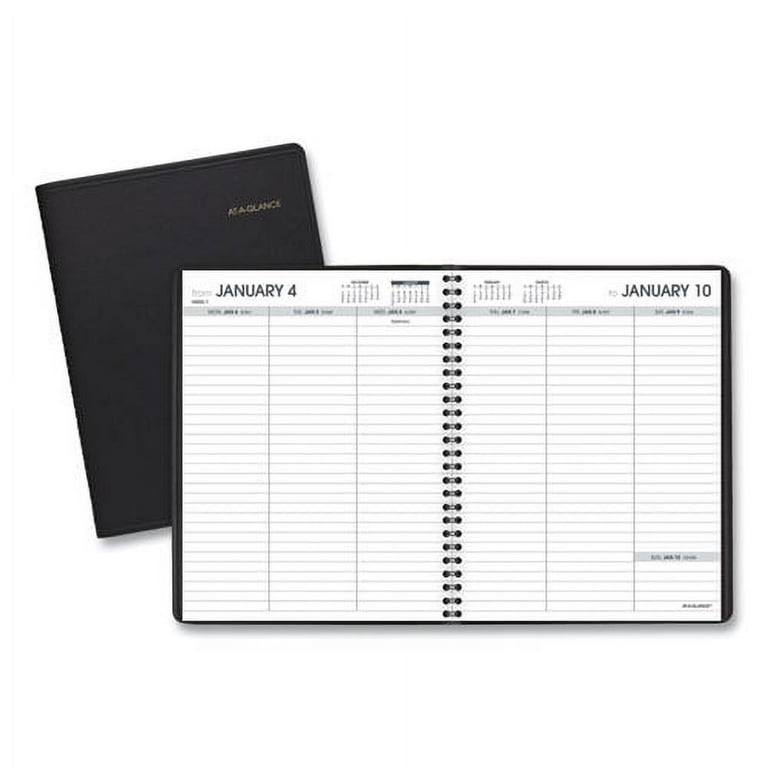
  • A clear overview of the entire week

  • Enough white space for flexibility

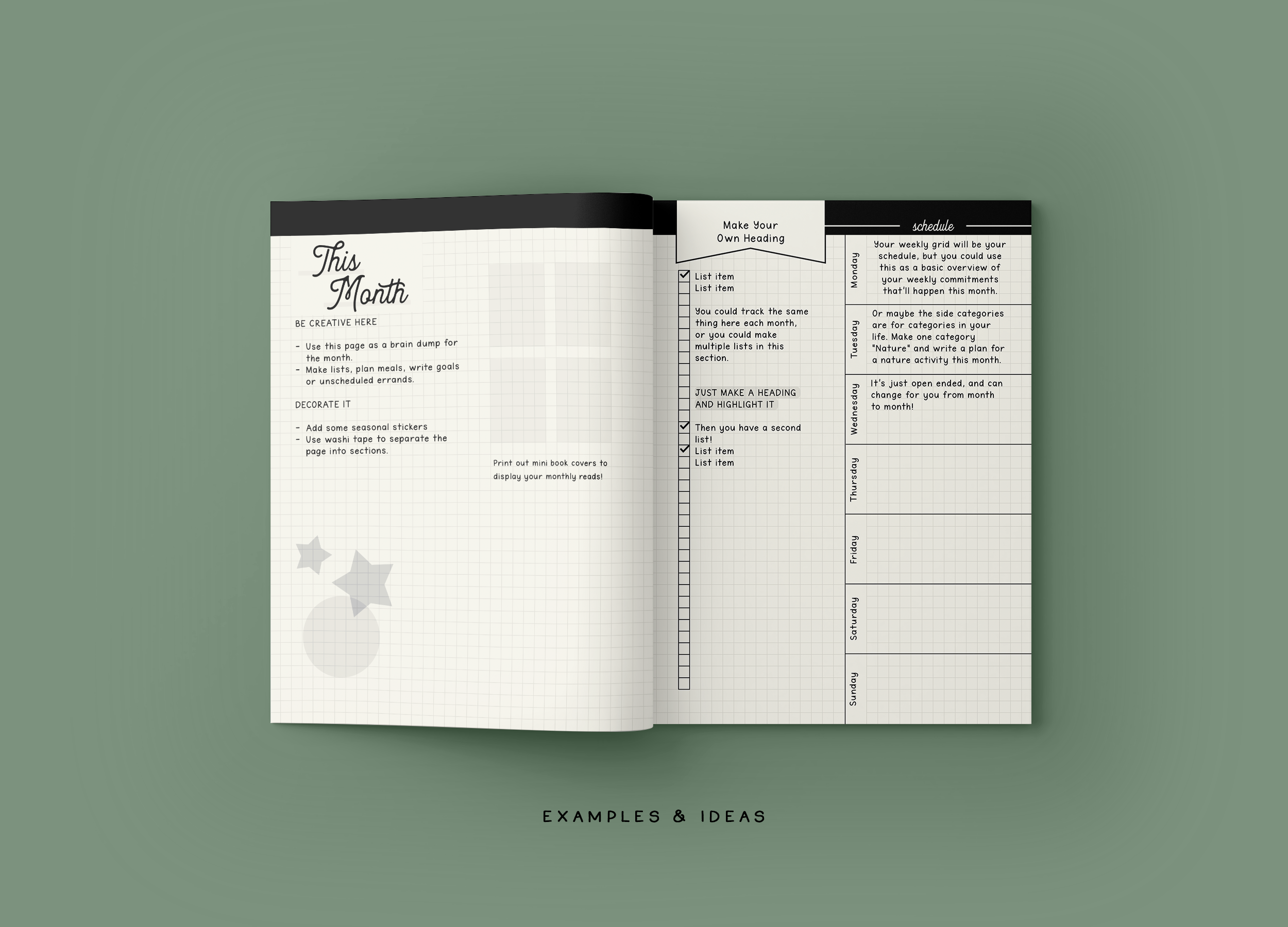
  • Simple sections for priorities and notes

Avoid overly complex designs that add visual noise.

Matching planner style to personal work habits
If your work is structured, time-based layouts may help. If your tasks are more fluid, a priority-based or list-style planner may feel more natural. The best planner supports your thinking style—not the other way around.


IV. Effective Weekly Planning Strategies
https://cultivatewhatmatters.com/cdn/shop/files/Refresh-BrainDumpJournal_4854-37_d62a93d2-412c-465a-9bb0-20a96650e7e0.jpg?v=1756149568&width=1946
https://images.openai.com/static-rsc-3/JgMphgFk659TLEMAUpK4PGYPYXiIqUZj_x_wrwzUS7NZb8TYhHZYzwB7ZoT-kIsL4hOsG7WrjudbqE18mnJUuRSrHYmtWH03wyTANrBD1rA?purpose=fullsize
https://images.squarespace-cdn.com/content/v1/67991afa23b4e172cde75c32/1a0aa83a-c71f-4e60-8bbc-a990314d155a/Mockup%2B3a%2BWEEKLY%2BPLANNING%2BNOTEBOOK%2BSage%2BNature%2BSeries.png?format=2500w

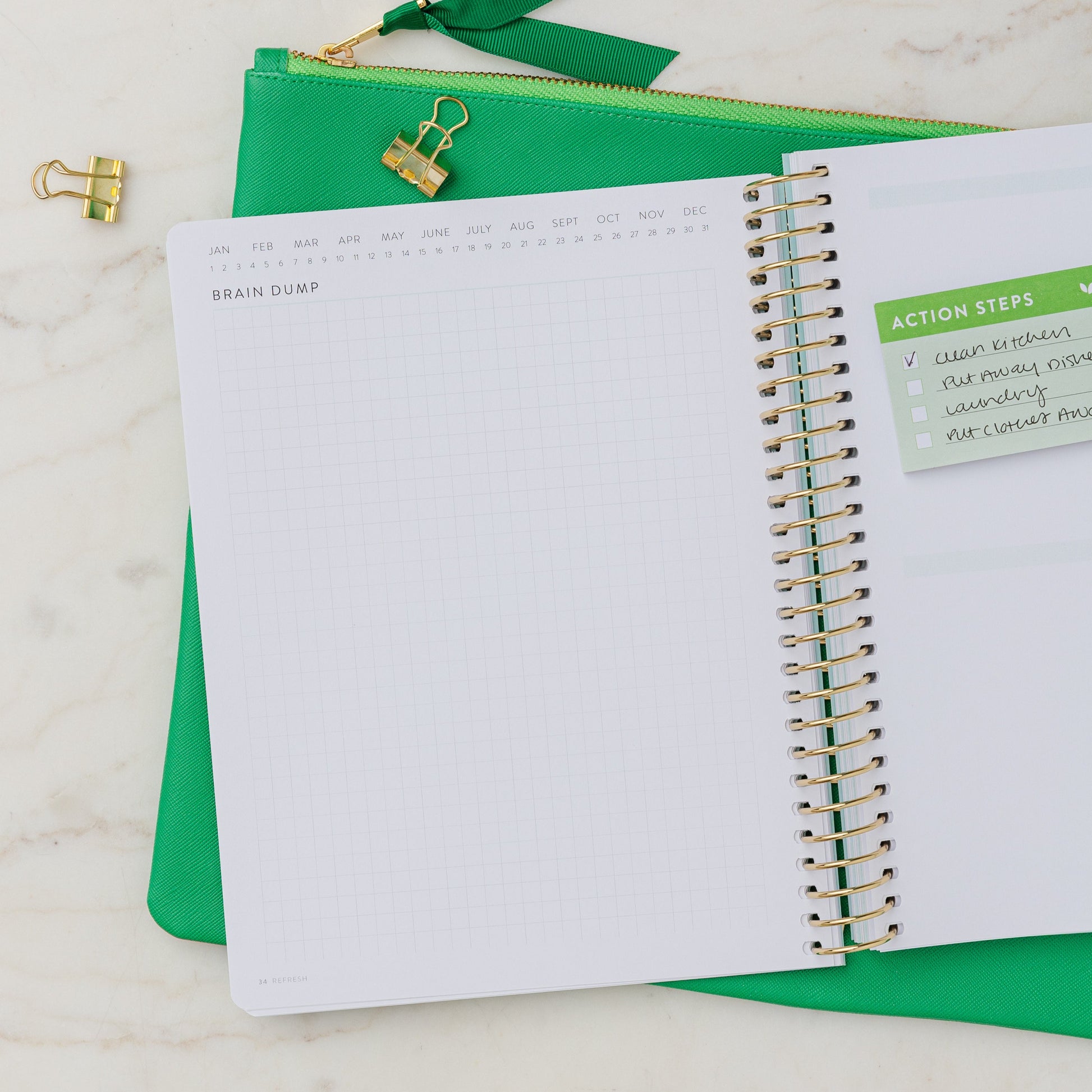
Brain dump technique
Start by writing everything down—tasks, worries, ideas. This clears mental space and ensures nothing important is forgotten.

Prioritization methods
After the brain dump, identify what truly matters. Choose a small number of key priorities for the week instead of trying to do everything.

Time blocking approach
Assign tasks to realistic time blocks. This turns abstract to-dos into concrete plans and reduces decision fatigue during the week.


V. Implementing Your Weekly Planner
https://images.squarespace-cdn.com/content/v1/5c5ed55ed86cc94f34ef8b90/1621194737024-SZD0OB7ZFG93SGTYRABW/Planning%2BRoutine%2BFree%2BPrintable%2BChecklist%2B%2BMain%2BImage%2Bcopy.png
https://videocdn.cdnpk.net/videos/376e7ce7-dbc2-5161-bf47-481293538f3d/horizontal/thumbnails/large.jpg?item_id=5672764&q=80&semt=ais_hybrid&w=740
https://i.etsystatic.com/6152197/r/il/1352c5/1607894557/il_fullxfull.1607894557_cq9g.jpg

Daily review and reflection
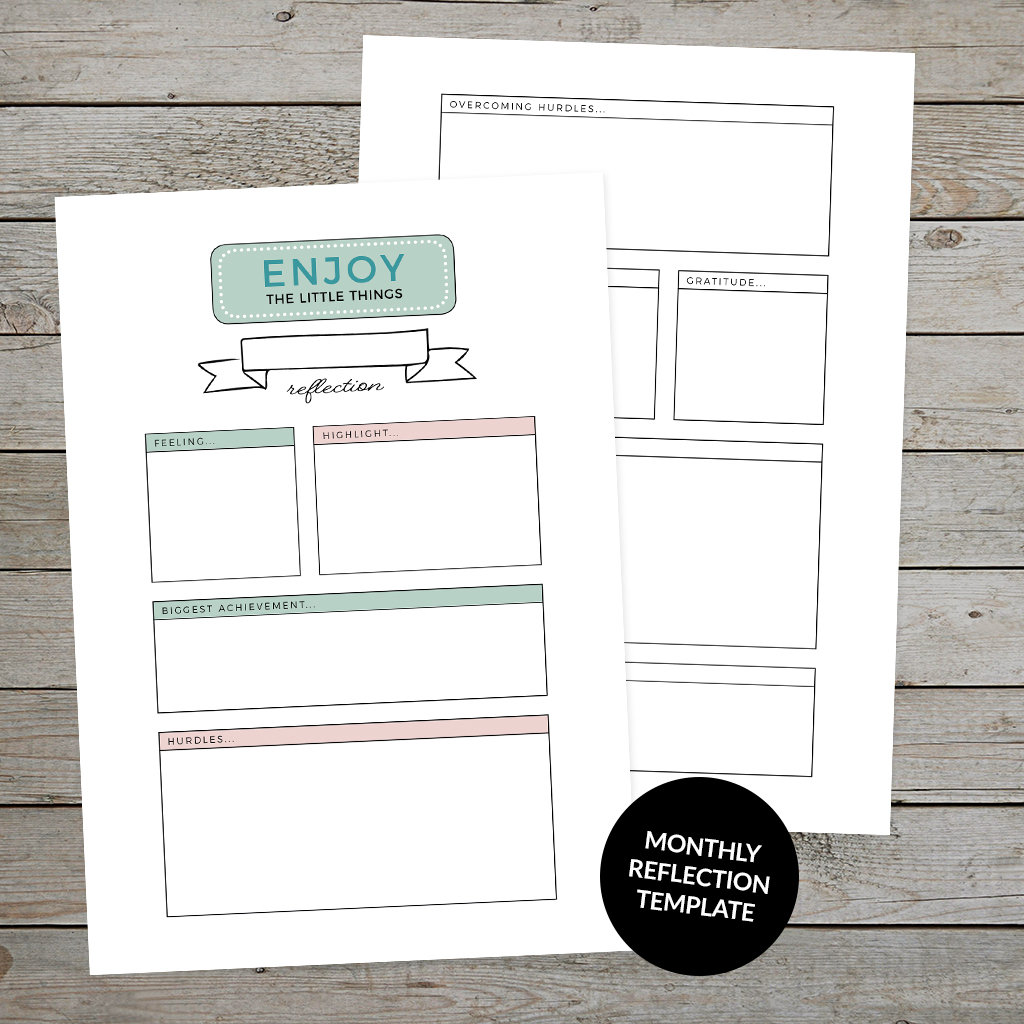
Spend a few minutes each day reviewing progress. This keeps plans relevant and prevents tasks from piling up.

Tracking progress and adjustments
Life changes, and plans should too. Use your planner as a flexible guide, not a rigid rulebook.

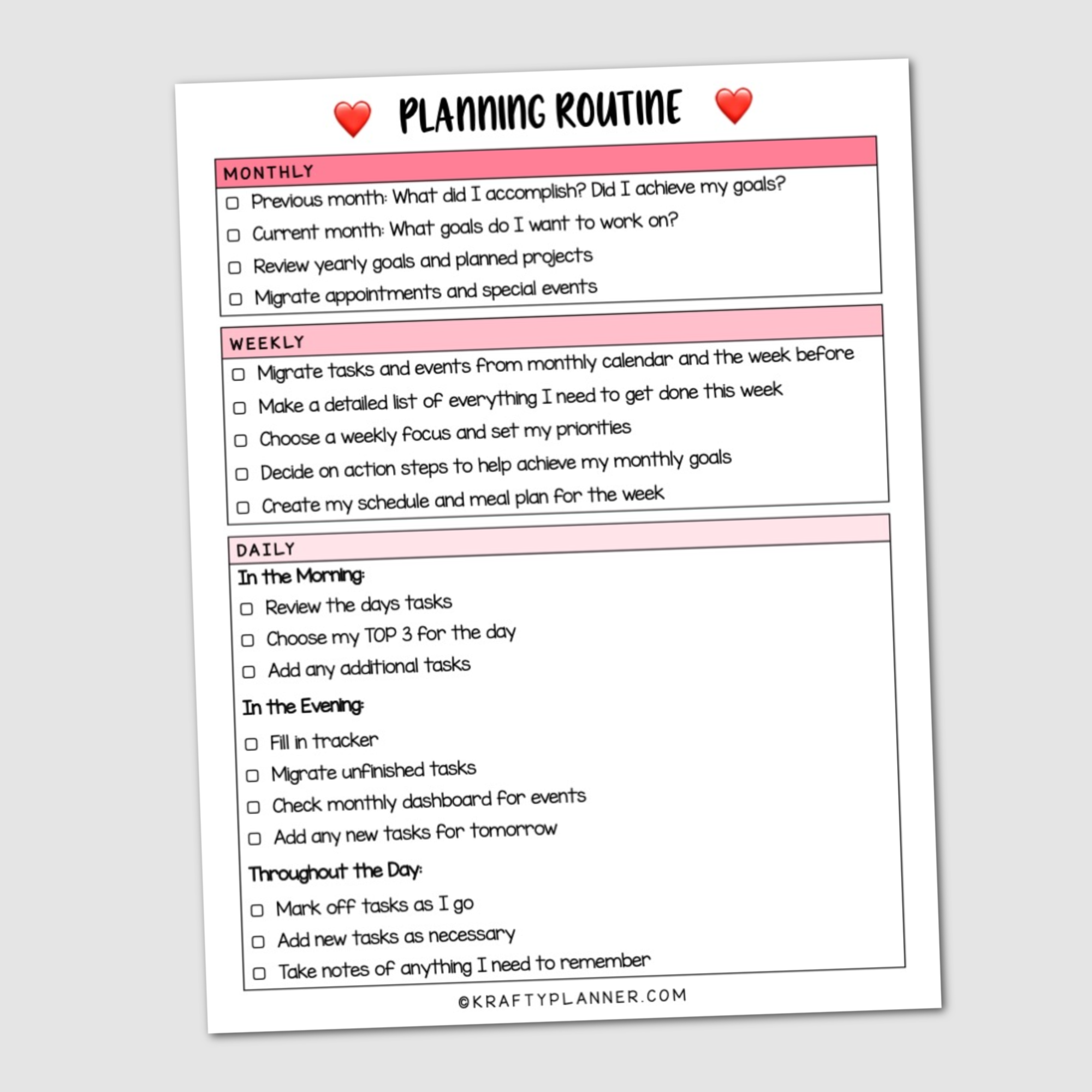
Creating a consistent planning routine
Choose a fixed time—Sunday evening or Monday morning—to reset your planner. Consistency turns planning into a calming ritual instead of a chore.


VI. Benefits of Consistent Weekly Planning
https://cdn.prod.website-files.com/683352189fe12a68376ccdf8/6940d5197b44e53ce0b8e2b9_6940aa3ddf12e5e3feb2127a-1765854755145.jpeg
https://images.openai.com/static-rsc-3/cY3D8PvHTS4XOPEwb41-ccSBfukyWdimv8SDtUYbTbUU62xpZjbv4Qo3PV8mLLgm-DHNtqKqXi1j_rZcVY30fGnRogNxvBGlcyxcZDhqwSI?purpose=fullsize
https://images.openai.com/static-rsc-3/Ftgkw24sSRDhpoe2hIhXk84FNo10LYo4c0zMv9cwnCdWfWa14jQxdfFN7kaxCBe8NDck5qpblpoHZwwrNYCGEhy_s3YEvKnxjmYmz15uztQ?purpose=fullsize

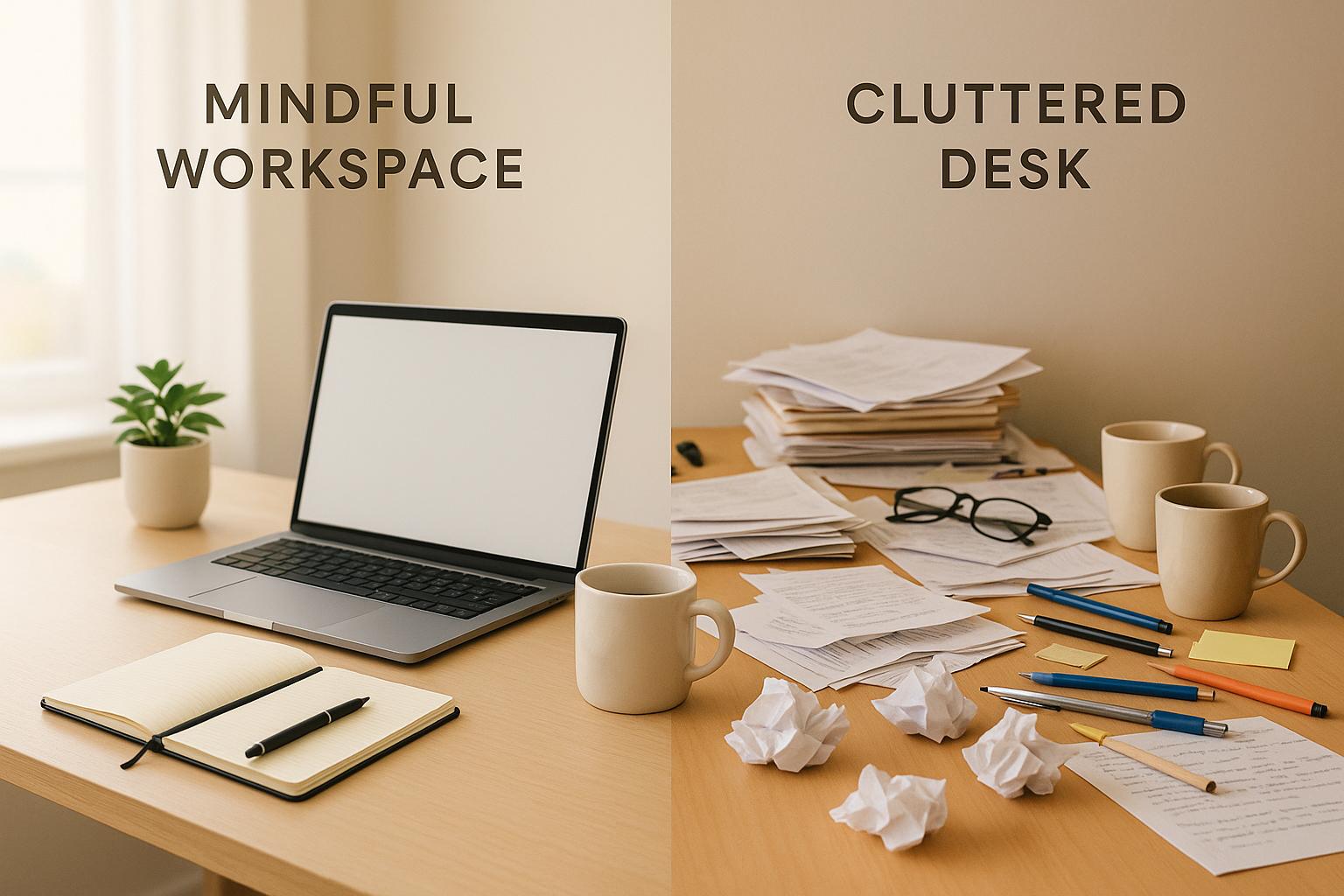
Reduced stress and mental clutter
Once tasks are on paper, your mind no longer needs to carry them.

Improved focus and productivity
With clear priorities, it becomes easier to concentrate on one thing at a time.

Better work-life balance
Seeing your week as a whole helps prevent overcommitting and protects personal time.


VII. Conclusion

https://i.pinimg.com/736x/c5/41/84/c5418423aabb41701cf4e5a589efe36e.jpg
https://milligram.com/cdn/shop/files/07_deskpad.jpg?v=1754527672&width=480
https://res.cloudinary.com/hni-corporation/image/upload/d_allsteel-fallback-image_jy84n9.jpg/f_auto%2Cq_auto/v1753884704/Allsteel/Brand/Graphics/Illustrations/Illustration_Intentional%20Community_5.png

Using a weekly planner isn’t about doing more—it’s about thinking less.

By clearing mental clutter, setting realistic priorities, and creating a consistent planning rhythm, a weekly planner can transform how your mind experiences work and life.

If you’re feeling mentally overloaded, start small. Open a weekly planner, write things down, and let your mind rest where it belongs—focused, calm, and intentional.

Back to blog