


How Your Desk Affects Your Mood (More Than You Think)


I. Introduction: Your Desk Is Not Just a Desk
We often think of our desk as a functional surface — a place to work, type, and finish tasks.
But in reality, your desk is one of the environments you interact with the most every single day.
What you see, touch, and experience at your workspace quietly shapes your mood, focus, and emotional energy.
A cluttered, chaotic desk can create mental noise, while a calm, intentional setup can make work feel lighter and more manageable.
Your desk environment significantly impacts your mental state — whether you notice it or not.
II. The Psychology of Workspace


Our brains are highly responsive to visual stimuli.
When your workspace feels crowded or disorganized, your mind stays in a low-level state of alert — constantly processing unfinished signals.
Studies in environmental psychology show that clutter increases stress hormones and reduces cognitive clarity.
Even if you’re not actively thinking about the mess, your brain is.
On the other hand, a well-organized workspace sends a different message:
You’re in control. You’re safe. You can focus.
This is why changing your desk often changes how work feels, not just how it looks.
III. Key Elements That Affect Your Mood at the Desk
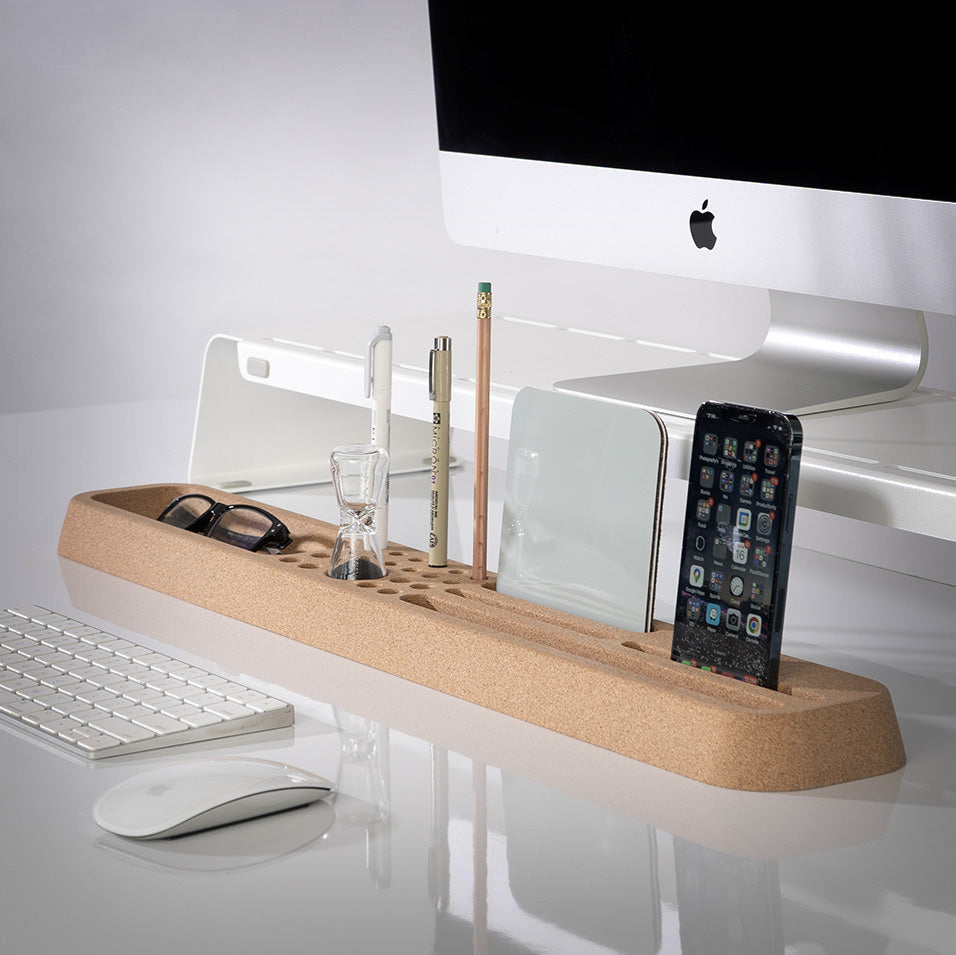


1. Desk Organization
Visual clutter equals mental clutter. Clear surfaces help your brain rest and prioritize.
2. Lighting
Harsh overhead lighting can cause fatigue and irritability. Soft, natural, or warm lighting supports focus and calm.
3. Color Scheme
Neutral tones, soft wood, stone, and muted colors reduce overstimulation and create visual balance.
4. Personal Touches
A plant, a meaningful object, or a simple tray with essentials can ground your space emotionally without adding chaos.
IV. Practical Tips for a Mood-Boosting Workspace


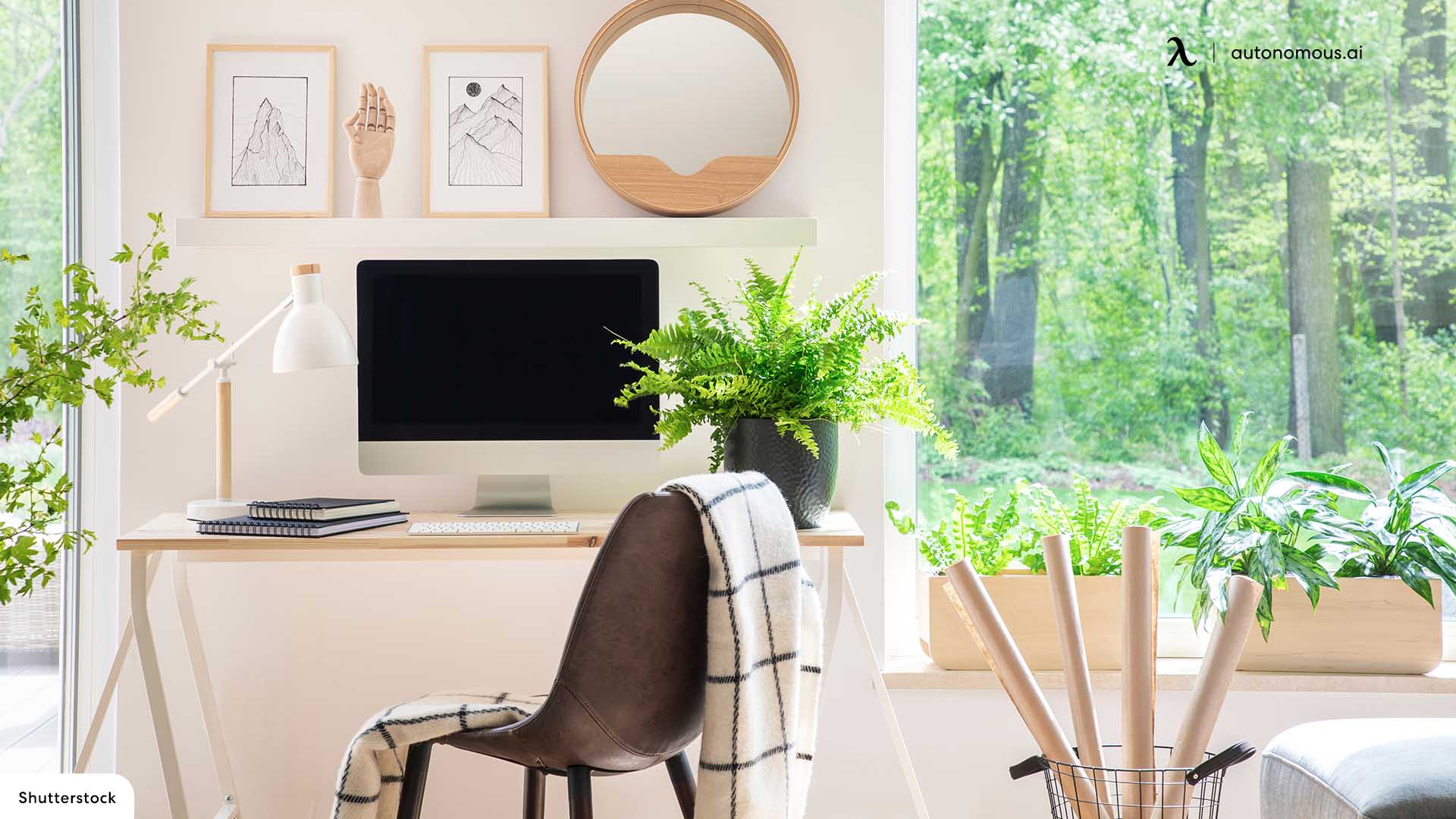
Declutter With Intention
Instead of removing everything, ask: What do I actually touch every day?
Keep only what supports your daily flow.
Improve Ergonomics
A comfortable chair, proper screen height, and wrist support reduce physical tension — which directly affects mood.
Add Calming Elements
Natural materials, soft textures, and simple organization tools help create a sense of ease and rhythm at your desk.
Small changes, done intentionally, can make workdays feel dramatically different.
V. CalmDesk’s Approach to Workspace Wellness

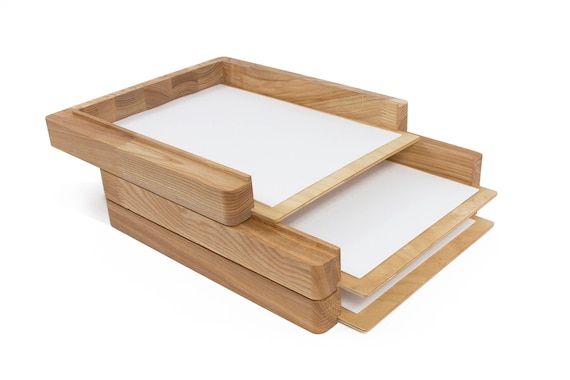
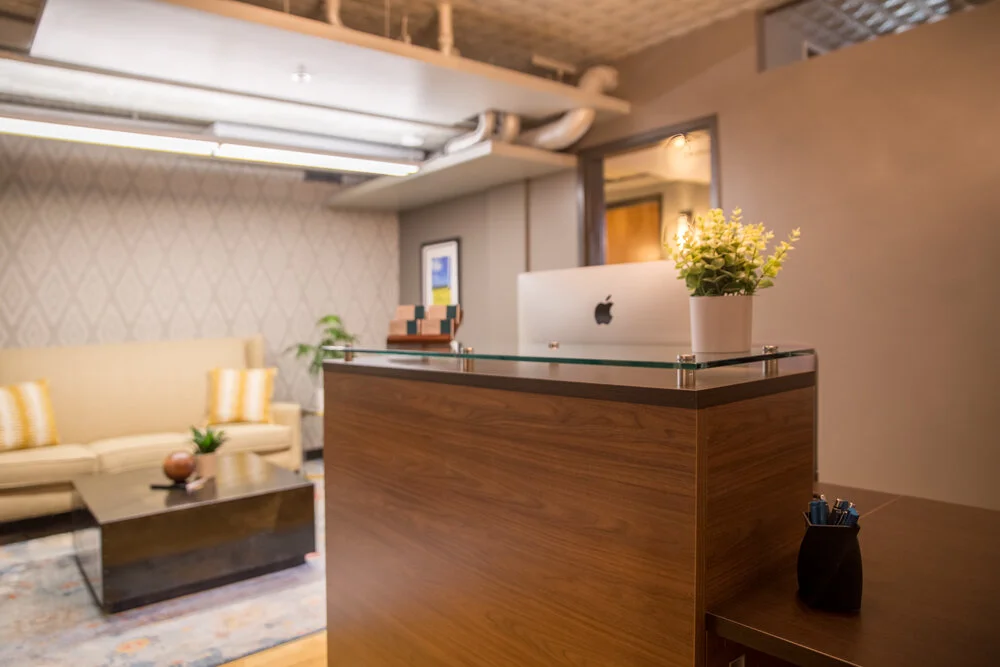
At CalmDesk, workspace organization isn’t about perfection or aesthetics alone.
It’s about emotional clarity.
CalmDesk designs products that support:
-
Gentle structure, not rigid systems
-
Fewer items, but better zones
-
Visual calm that supports mental calm
Each piece is created to help your desk feel like a place where focus comes naturally — not something you have to force.
VI. Conclusion: Design Your Desk With Your Mind in Mind
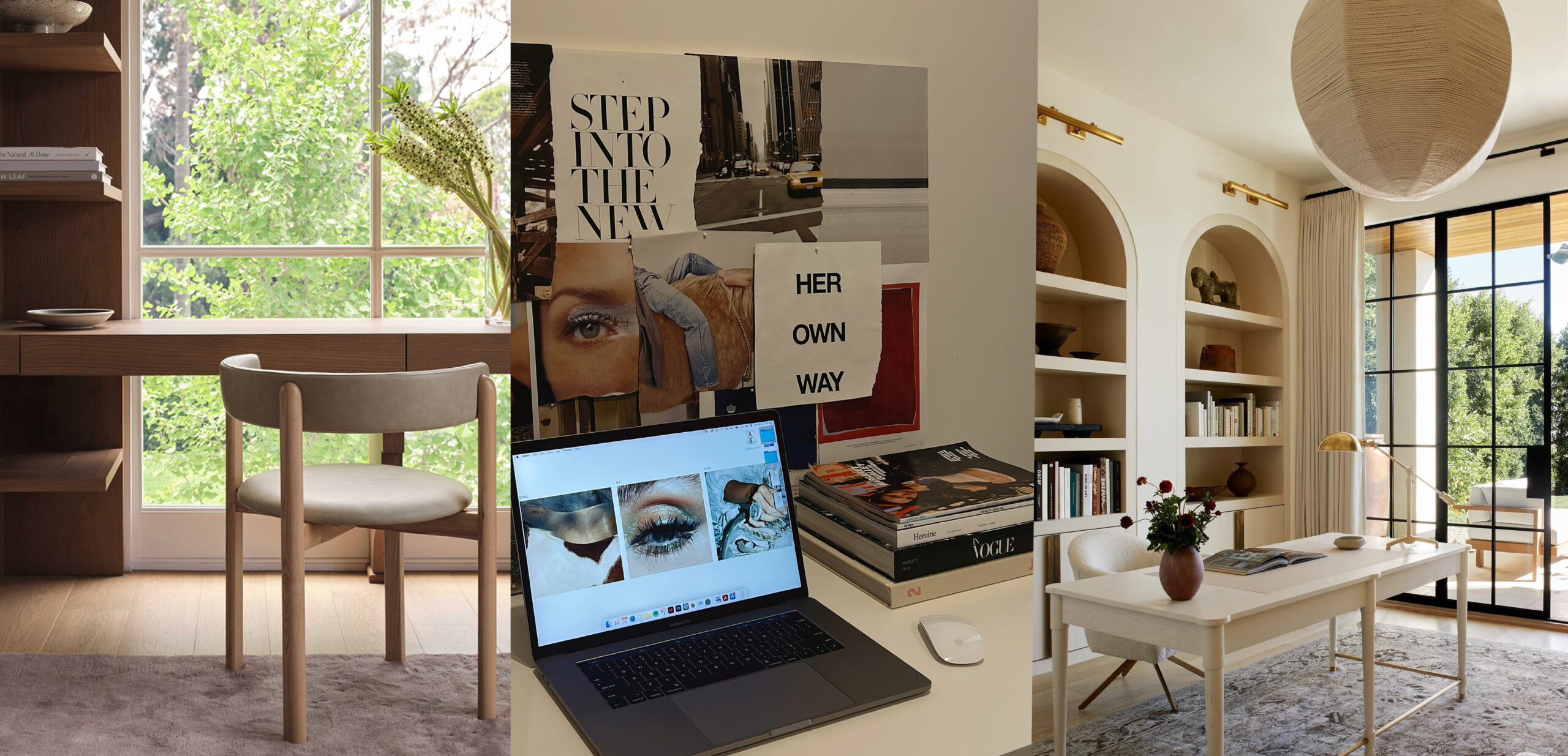


Your desk is part of your mental environment.
When you design it with intention, you’re not just organizing objects — you’re shaping how your days feel.
A calmer desk can mean:
-
Less stress
-
Clearer thinking
-
More sustainable focus
You don’t need a perfect workspace.
You just need one that supports your mind, not fights it.
Start there.