


The Analog Work System: A Smarter Way to Organize Your Day
I. Introduction
Our workdays are increasingly shaped by digital tools. Task managers, calendars, and productivity apps promise efficiency, yet many people feel more overwhelmed than ever.
Constant notifications, endless tabs, and screen fatigue make it difficult to focus on what truly matters. In response to this digital overload, many are turning back to a simpler, more intentional approach: the analog work system.
This paper-based system offers a refreshing way to organize your day—one that prioritizes clarity, focus, and calm.
II. What Is the Analog Work System?



The analog work system is a paper-based method for planning, tracking, and prioritizing your work.
At its core, it is built on three principles:
-
Simplicity – fewer tools, fewer decisions
-
Intentionality – choosing tasks consciously, not reactively
-
Visibility – seeing your day clearly on a single page
Paper-based productivity matters because it removes friction. Instead of navigating menus or switching apps, your thoughts move directly from mind to page.
III. Key Components of the Analog System


Choosing the right notebook
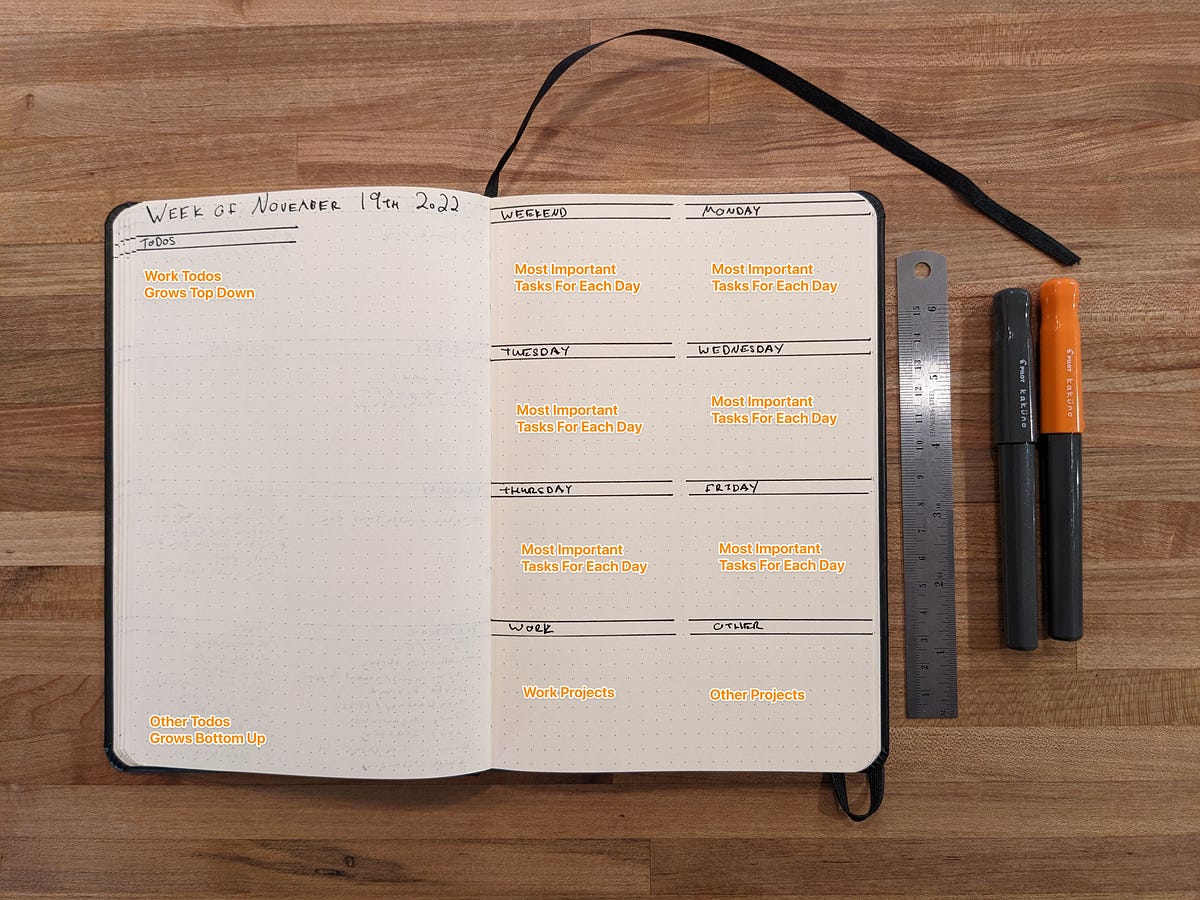
Select a notebook that feels inviting but uncomplicated. Blank, dotted, or lightly structured pages work best for flexibility.
Essential tools for tracking tasks
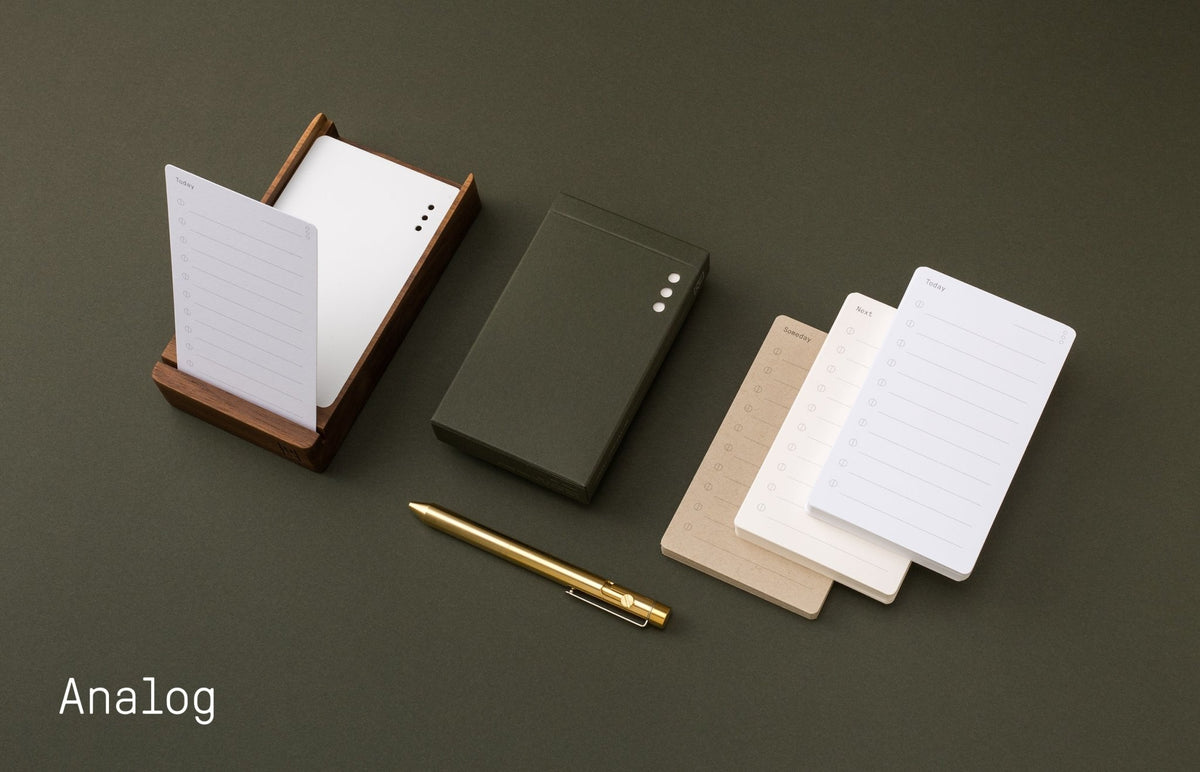
A pen, a highlighter, and perhaps one sticky note are often enough. The goal is clarity—not decoration.
Minimalist approach to organization
Avoid complex codes or elaborate layouts. A clean page reduces cognitive load and makes the system easier to maintain long-term.
IV. Benefits of an Analog Productivity Method


Reduced digital distraction
Paper doesn’t buzz, ping, or tempt you into multitasking.
Improved focus and retention
Writing tasks by hand strengthens memory and helps the brain commit more fully to what’s important.
Enhanced mental clarity
When tasks are externalized onto paper, your mind is free to focus instead of constantly reminding itself what to do next.
V. Implementing Your Analog Work System
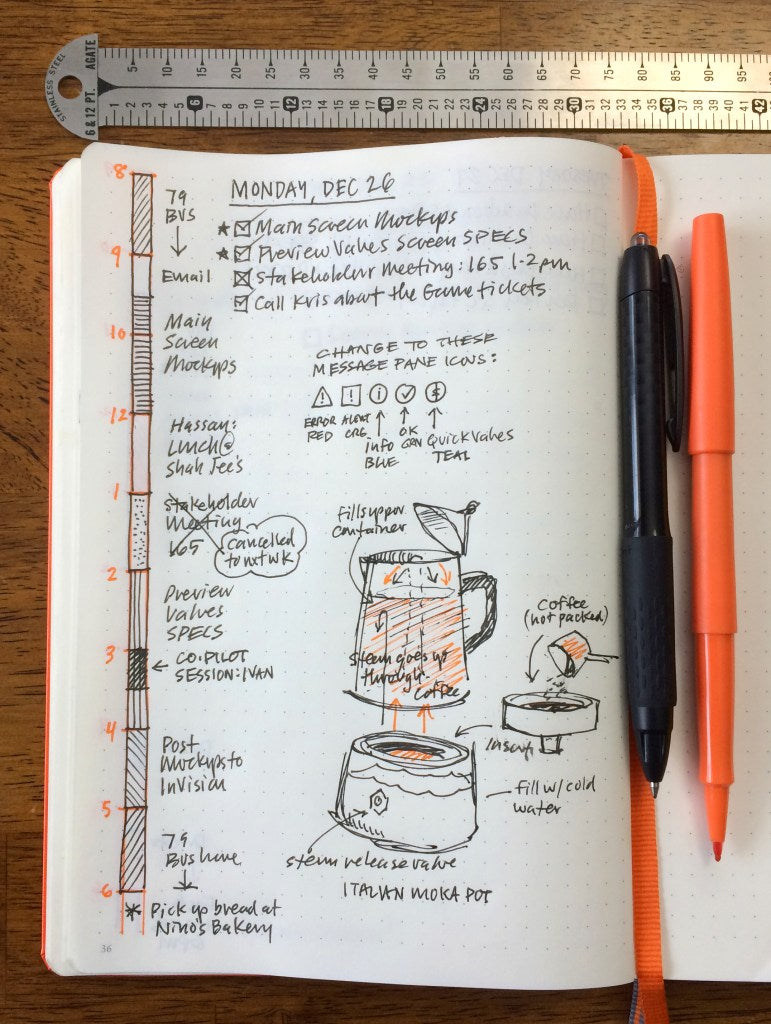

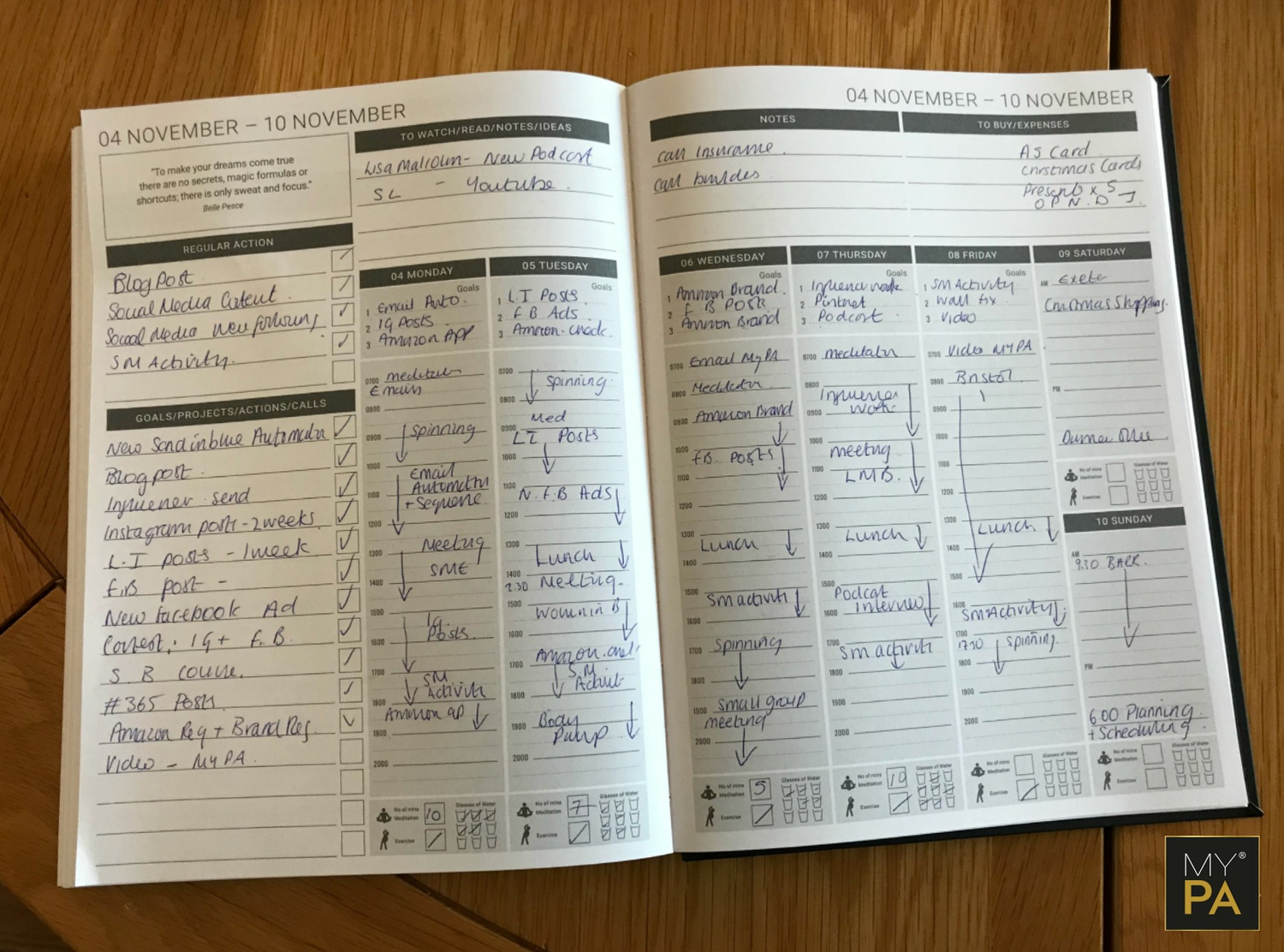
Daily planning techniques
Start each day by listing tasks in order of importance. Keep the list realistic—less is more.
Task prioritization
Choose one or two high-impact tasks as anchors for the day. Everything else is secondary.
Simple tracking methods
Use basic checkmarks or lines to indicate progress. Avoid overtracking, which can become another form of mental clutter.
VI. Practical Tips for Success
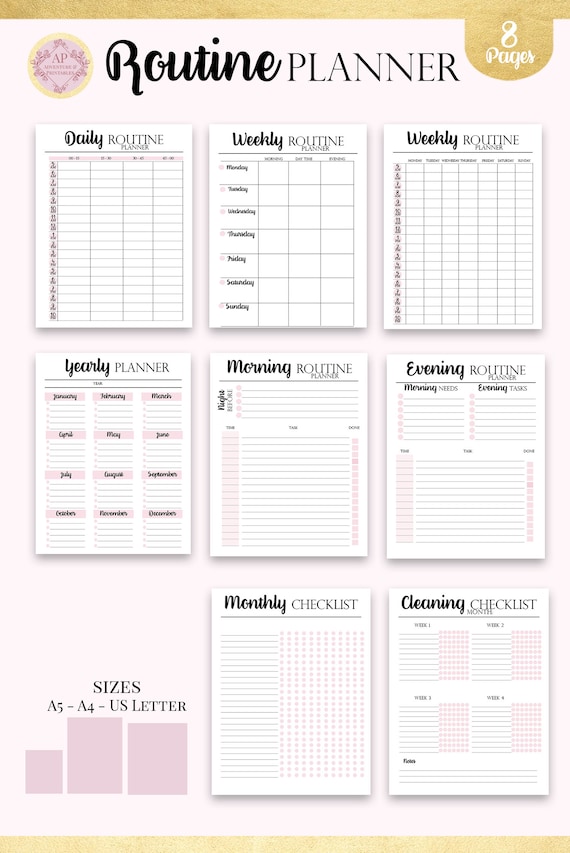

Create a consistent routine
Plan at the same time each day to turn the system into a habit rather than a decision.
Balance analog and digital tools
Use digital tools for storage and communication, but let paper handle thinking and planning.
Stay motivated
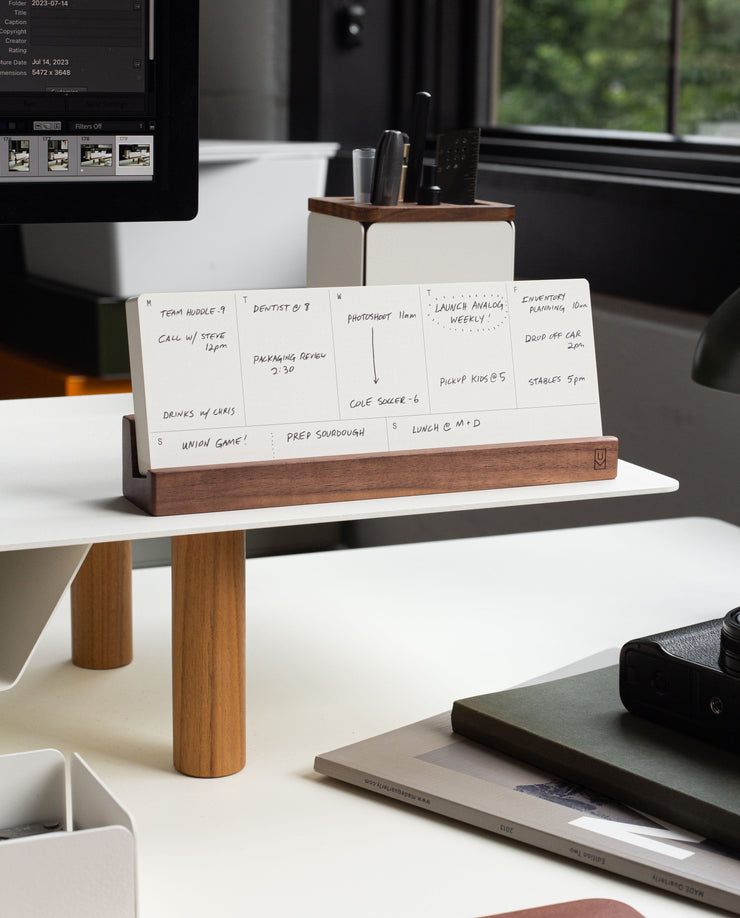
Keep your notebook visible on your desk. The physical presence of your system reinforces commitment.
VII. Conclusion


The analog work system isn’t about rejecting technology—it’s about reclaiming control over your attention.
By simplifying how you plan, track, and prioritize, this paper-based approach creates a smarter, calmer way to organize your day.
If your current system feels overwhelming, try going analog. One notebook, one pen, and one intentional day at a time.