


The Difference Between a Stylish Desk and a Functional Desk


I. Introduction
A desk is more than furniture—it’s where ideas form, decisions happen, and hours of focused work unfold.
In recent years, desk design has leaned heavily toward aesthetics. Social media is full of beautiful, styled desks that look inspiring at first glance. But once the workday begins, many of these desks fall short.
The real challenge isn’t choosing between style and function. It’s learning how to balance both in a way that actually supports how you work.
II. Defining a Stylish Desk


Aesthetic elements
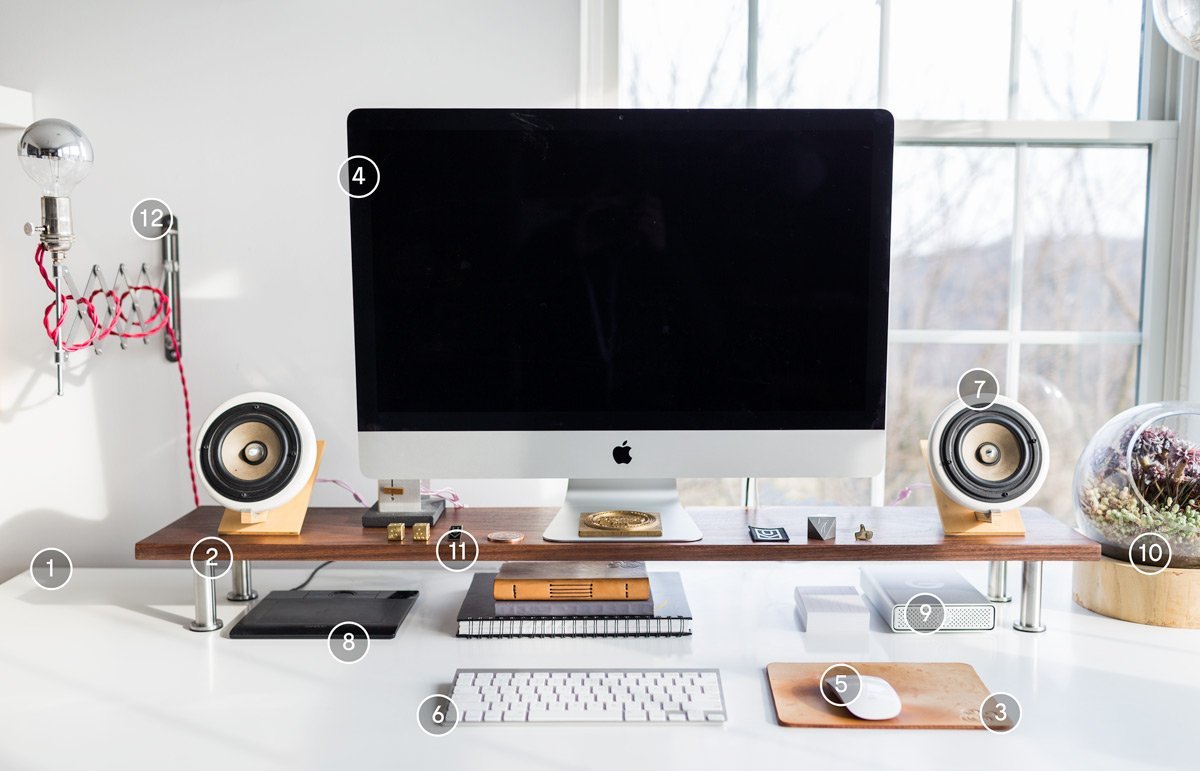
A stylish desk focuses on visual harmony—color palettes, materials, and decorative objects that create a cohesive look.
Visual appeal and design trends
These desks often follow trends: curated accessories, minimal objects, matching tones, and carefully styled layouts meant to be seen.
Potential limitations
While visually pleasing, stylish desks can prioritize appearance over usability. Limited storage, poor ergonomics, or decorative clutter can interfere with daily workflow.
III. Characteristics of a Functional Desk

Ergonomic considerations
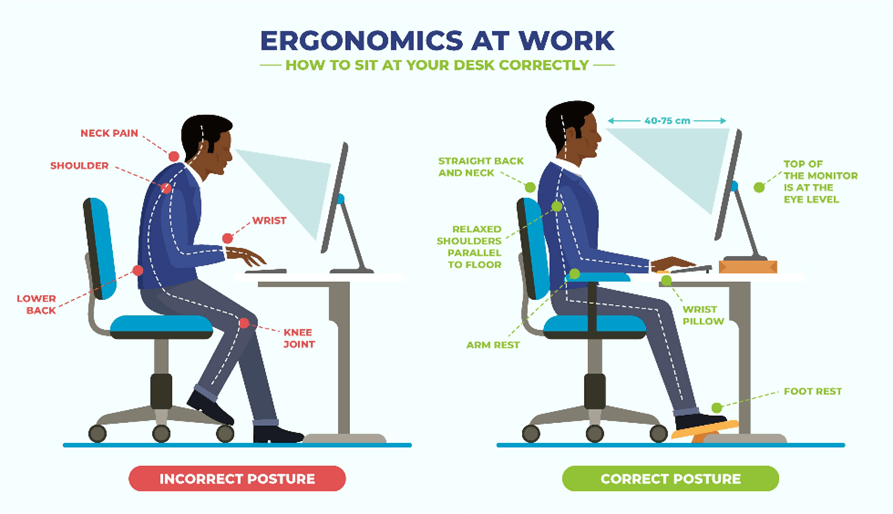
A functional desk supports your body. Proper desk height, screen positioning, and comfortable seating reduce strain and fatigue.
Storage solutions
Function-focused desks offer practical storage—drawers, trays, or shelves—to keep essentials accessible without crowding the surface.
Workspace efficiency
Everything has a purpose and a place. This reduces wasted movement, unnecessary decisions, and interruptions during focused work.
Productivity-enhancing features
Clear surfaces, cable management, and intentional layouts help maintain concentration throughout the day.
IV. Finding the Perfect Balance


Combining style and function
A well-designed desk doesn’t sacrifice usability for looks—or vice versa. It blends clean design with practical support.
Key elements to prioritize
-
Comfort and ergonomics first
-
Clear, usable surface space
-
Storage that hides clutter
-
Aesthetic choices that don’t interfere with work
Examples of well-designed workspaces
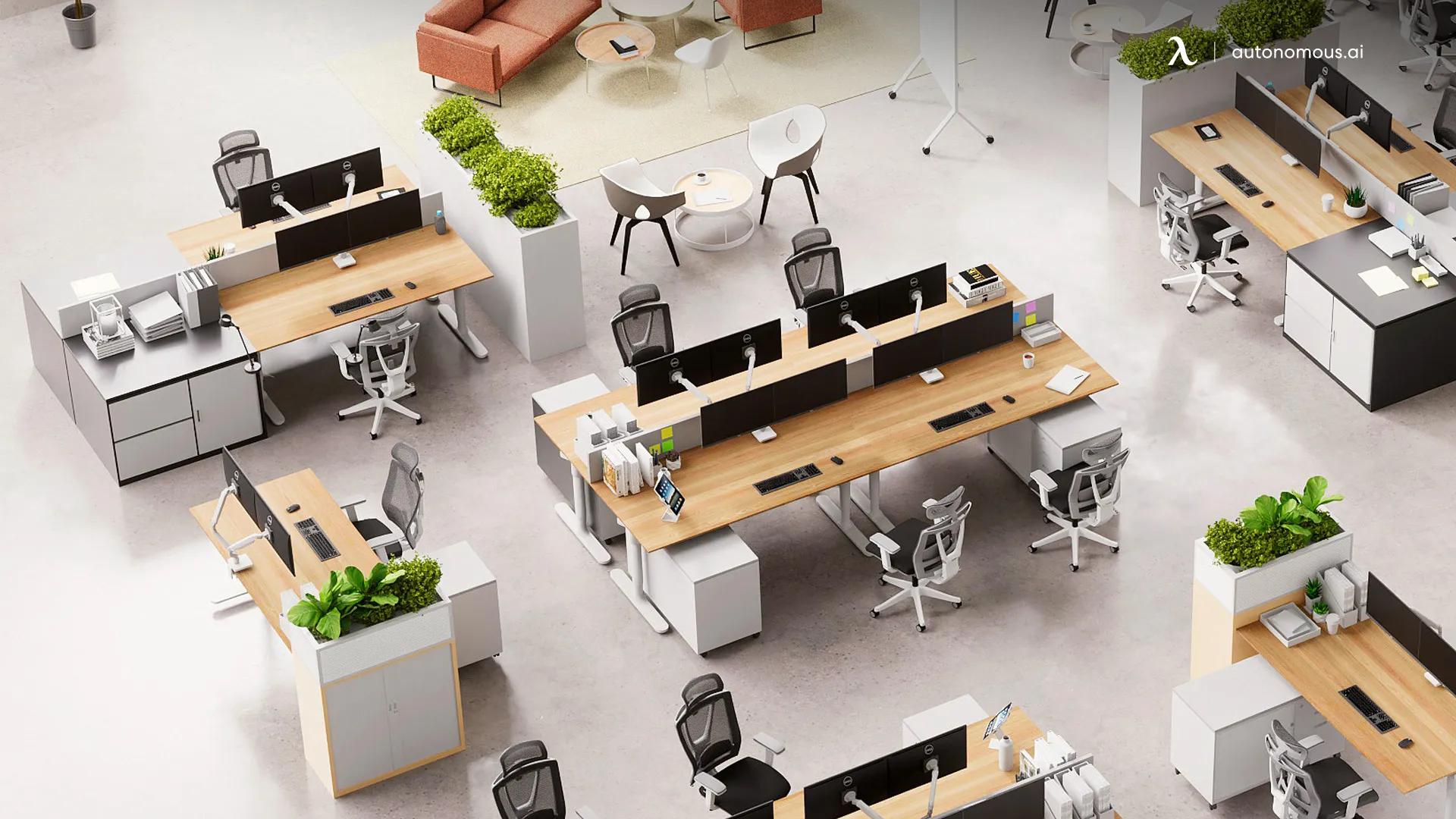
The most effective desks often look calm and intentional rather than overly styled. Beauty emerges naturally from order and purpose.
V. Practical Tips for Desk Selection

Assess your personal work needs
Do you write, type, design, or meet often? Your desk should support the tasks you do most.
Measure your workspace
A desk that’s too large overwhelms a room; one that’s too small restricts movement. Proportion matters.
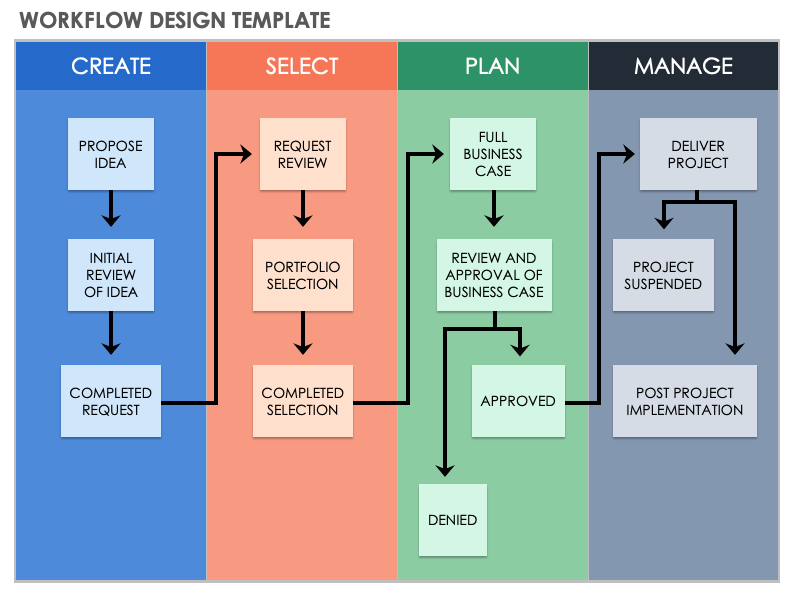
Consider your workflow
Think about how you move through tasks. Your desk layout should reduce friction, not add to it.
VI. Conclusion

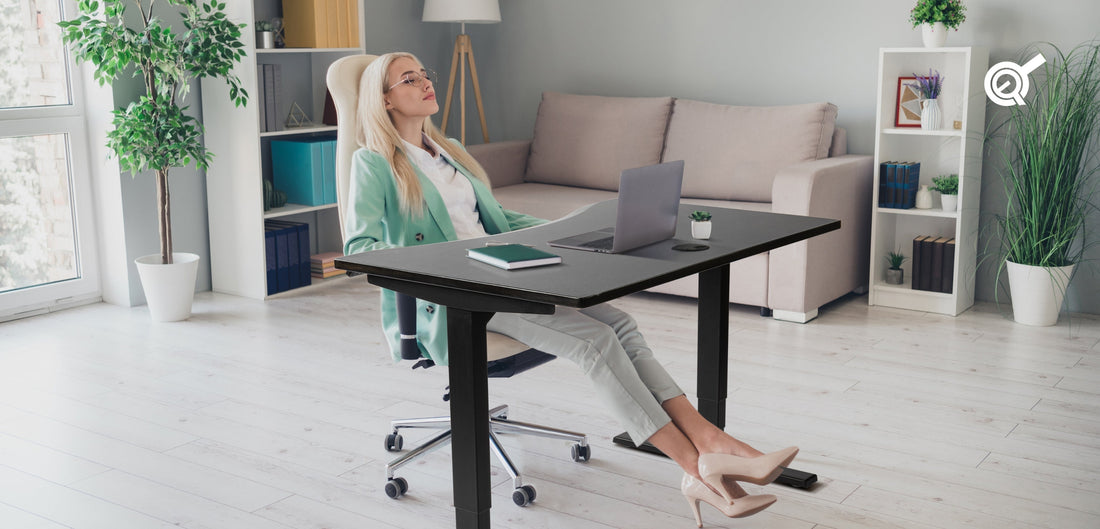

A stylish desk catches the eye.
A functional desk supports your work.
The best desks do both—quietly, intentionally, and personally.
Instead of choosing between style and function, design a desk that reflects how you work. When your workspace fits your needs, productivity becomes easier—and your desk naturally becomes beautiful.