


Why Analog Planning Still Beats Digital for Focus

I. Introduction
We live in a world where almost everything is digital—calendars, to-do lists, reminders, and productivity apps. Digital planning tools promise efficiency and convenience, all neatly packed into the devices we already carry everywhere.
But despite their advantages, many people still struggle with focus.
Ironically, the very tools designed to help us stay organized often become the biggest source of distraction. That’s why analog planning—using pen and paper—continues to outperform digital systems when it comes to deep focus and mental clarity.
II. The Digital Distraction Problem



Digital planning lives inside devices built for interruption.
Constant notifications
Even with notifications turned off, the temptation remains. One glance at a calendar can easily turn into checking messages, emails, or social media.
Multitasking challenges
Digital tools encourage task-switching. Jumping between apps fragments attention and makes sustained focus harder to maintain.
Screen fatigue
After hours of work, staring at another screen—just to plan your day—adds to mental and visual exhaustion instead of relieving it.
III. Analog Planning Advantages

Analog planning removes distractions by design.
Improved focus and concentration
A paper planner does one thing only: hold your thoughts. There are no pop-ups, no alerts, and no hidden tabs waiting to steal attention.
Better memory retention
Writing by hand strengthens memory. When you physically write tasks down, your brain processes them more deeply than when typing.
Reduced digital overwhelm
Analog planning creates a clear boundary. Planning time becomes a calm, intentional ritual—separate from the noise of the digital world.
IV. Psychological Benefits of Paper Planning

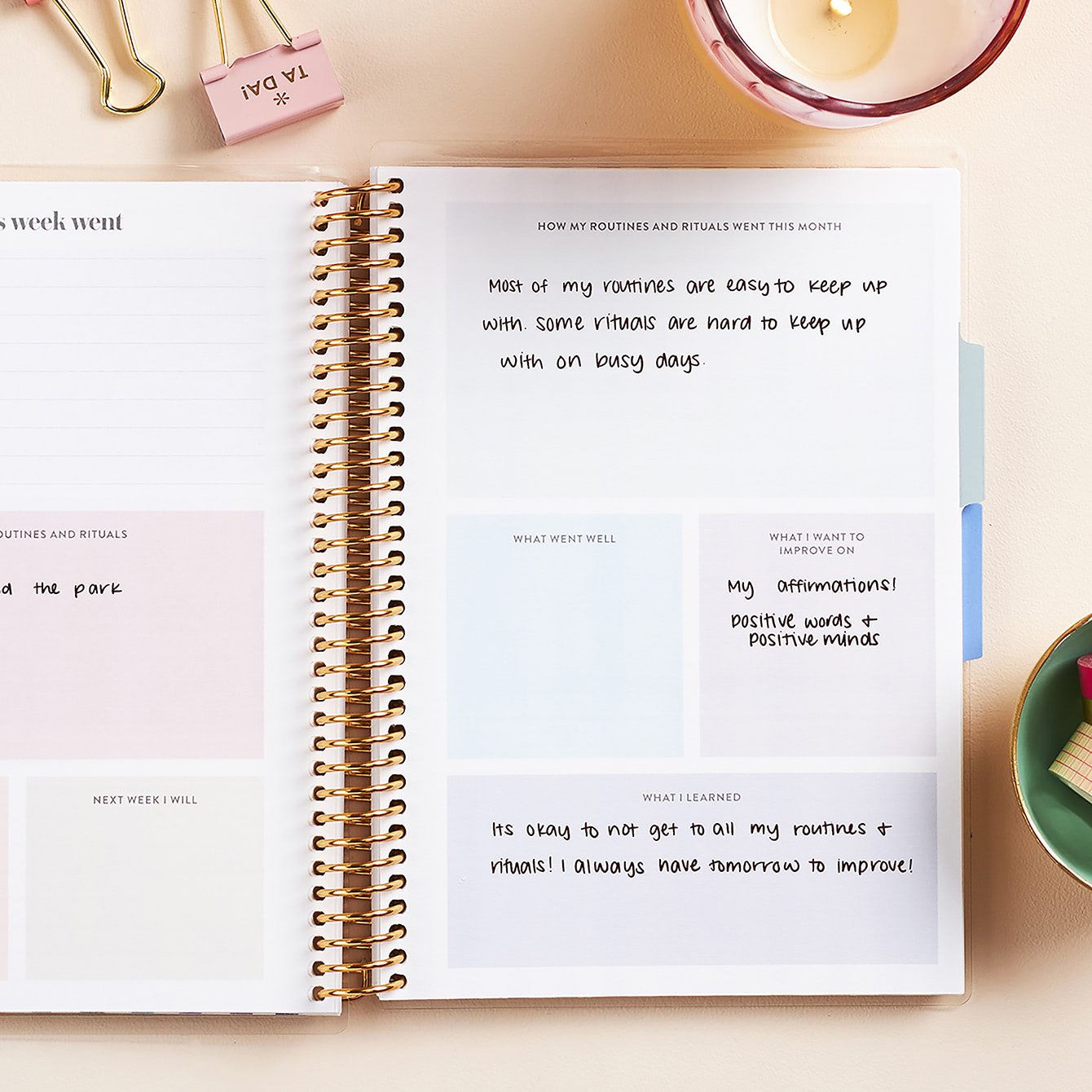
Beyond productivity, paper planning offers real psychological benefits.
Mindfulness and intentionality
Writing slows you down. It encourages reflection, helping you choose what truly matters instead of reacting to endless inputs.
Tactile learning experience
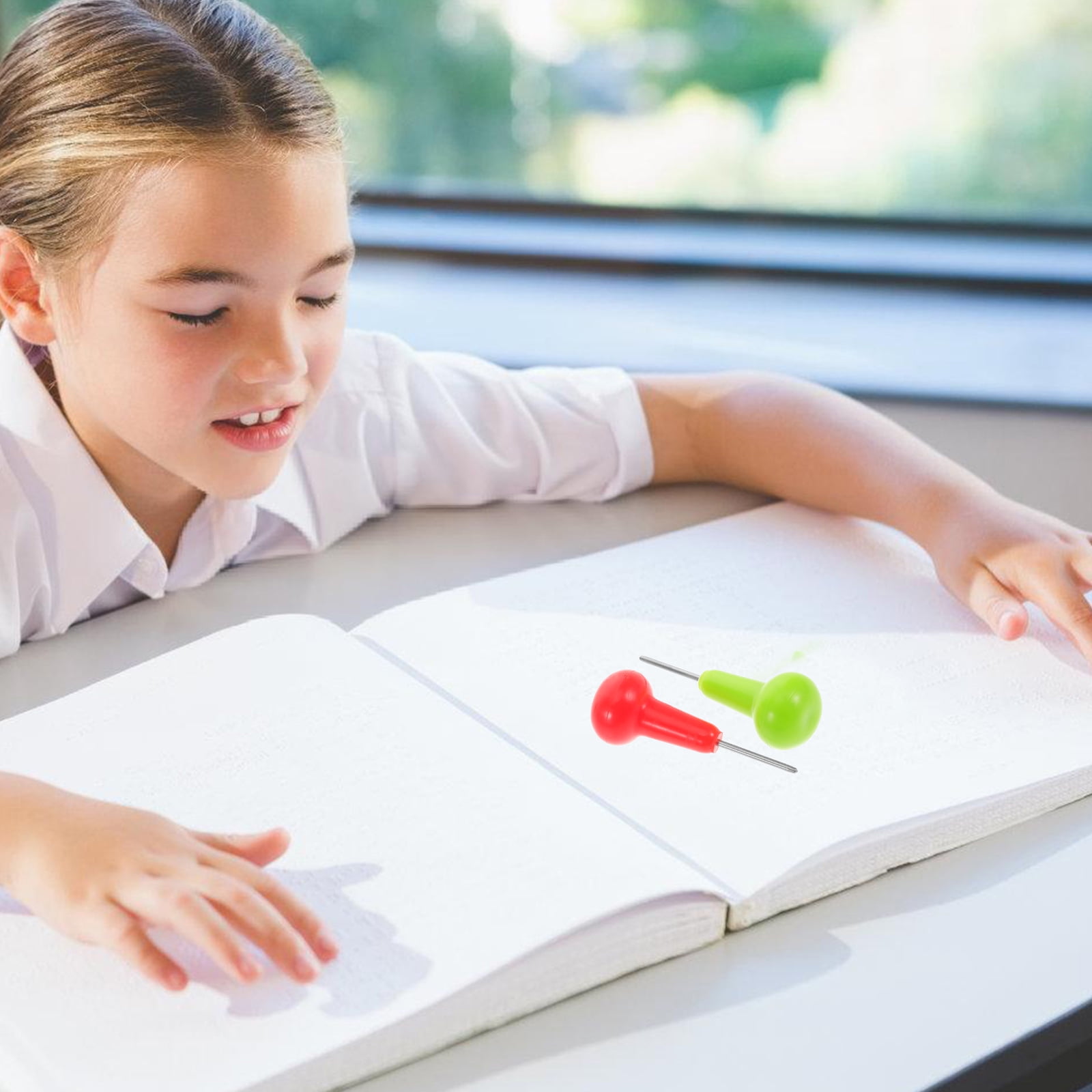
The physical sensation of pen on paper reinforces awareness and presence. It grounds your thinking in the moment.
Less cognitive load
Digital tools often demand decisions—layouts, settings, syncing. Paper planners are simple, reducing mental clutter before the day even begins.
V. Practical Tips for Effective Analog Planning


To get the most out of analog planning, simplicity is key.
Choose the right planner
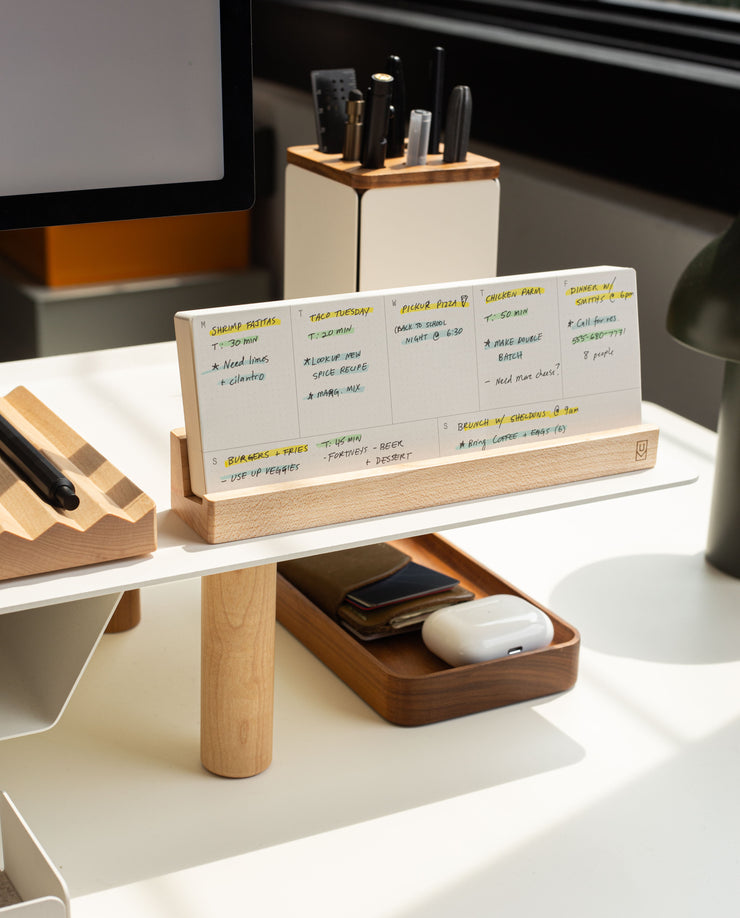
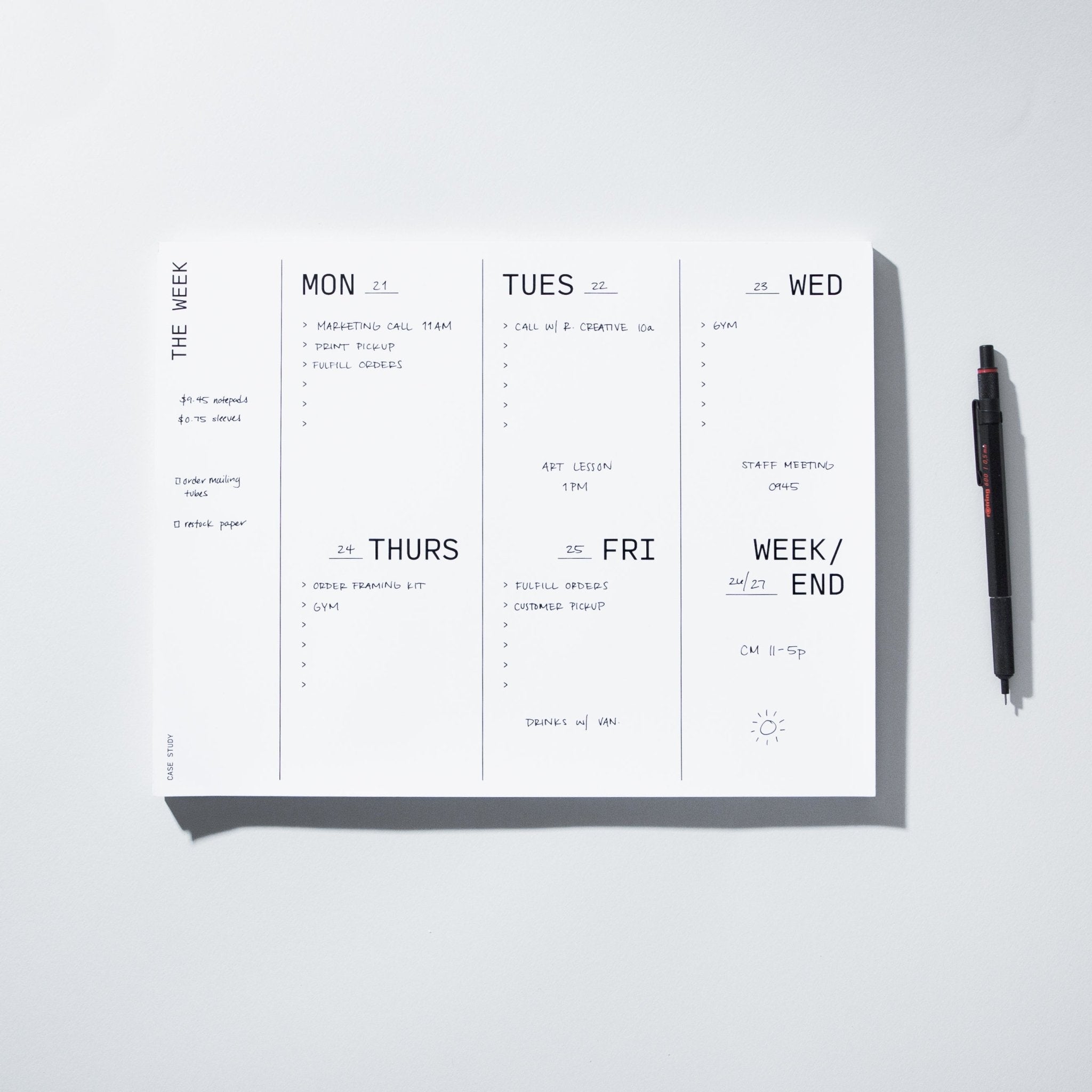
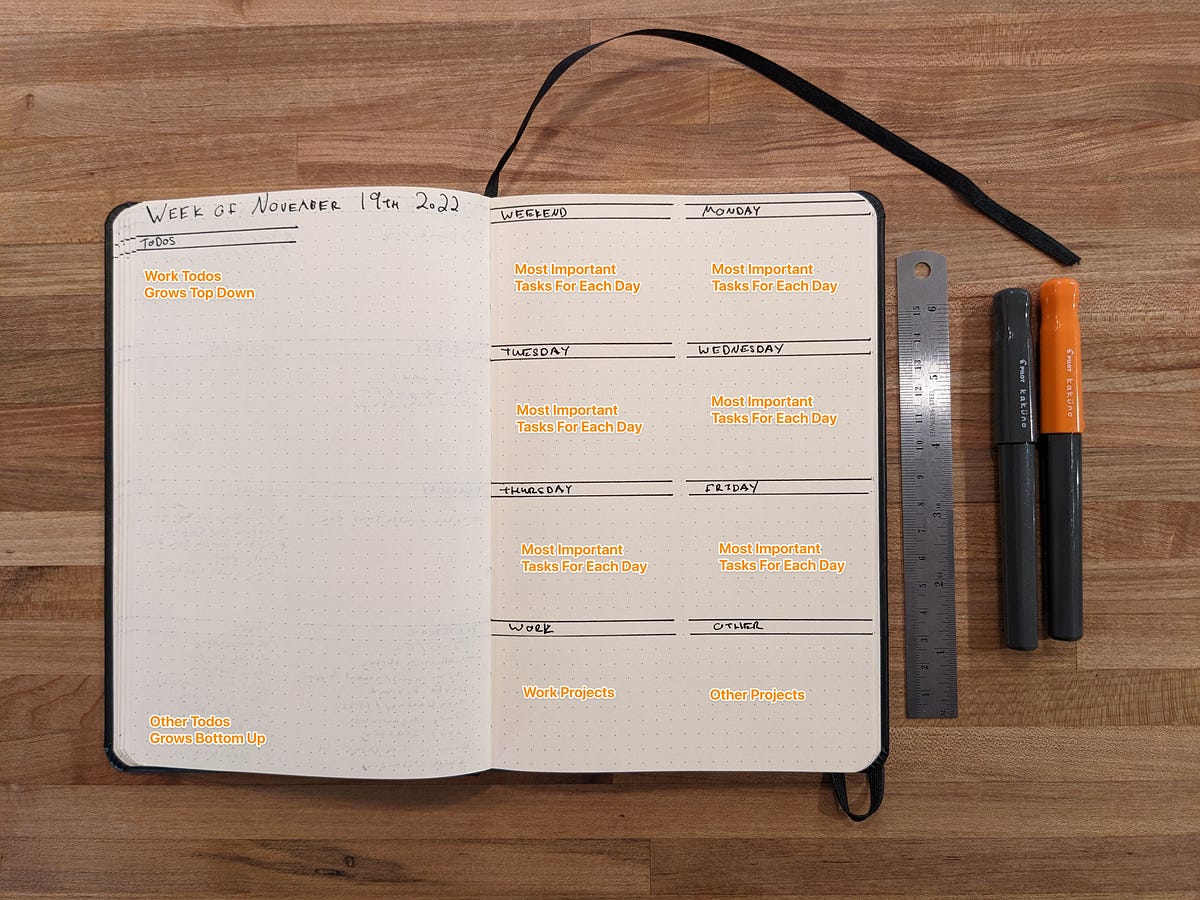
Look for clean layouts with enough space to think, not overly decorative pages that become distracting.
Create a consistent planning routine
Plan at the same time each day or week—morning intention-setting or an evening reset both work well.
Minimize digital interruptions
Keep your phone out of reach during planning time. Treat it as a short, focused ritual rather than a task to rush through.
VI. Conclusion


Analog planning isn’t about rejecting technology. It’s about protecting your attention.
By removing distractions, reducing cognitive load, and encouraging mindful intention, paper planning creates a quieter mental space—one where focus comes naturally.
If digital tools have left you feeling scattered, try planning your next week on paper. You may be surprised by how much calmer—and more productive—your days become.