


Why Digital Tools Alone Don’t Fix Workday Overwhelm

I. Introduction
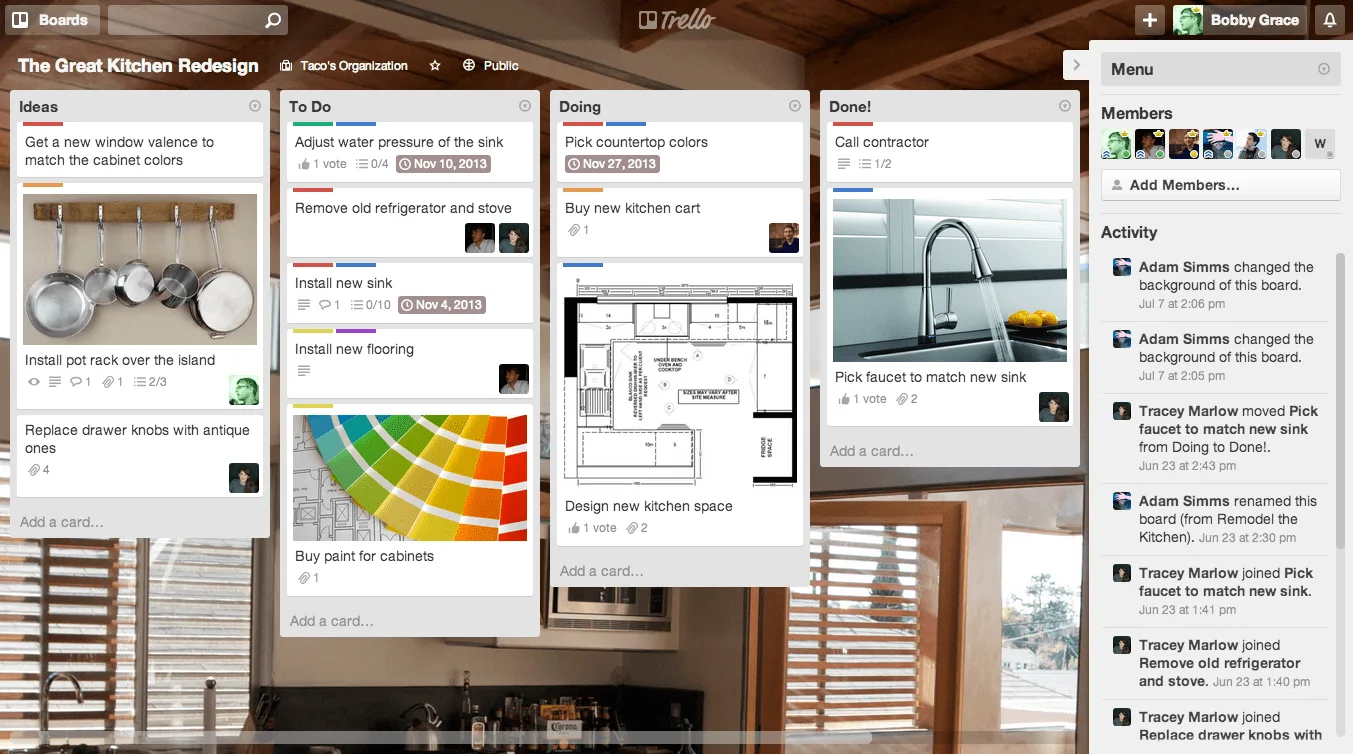
Productivity apps promise clarity, speed, and better results.
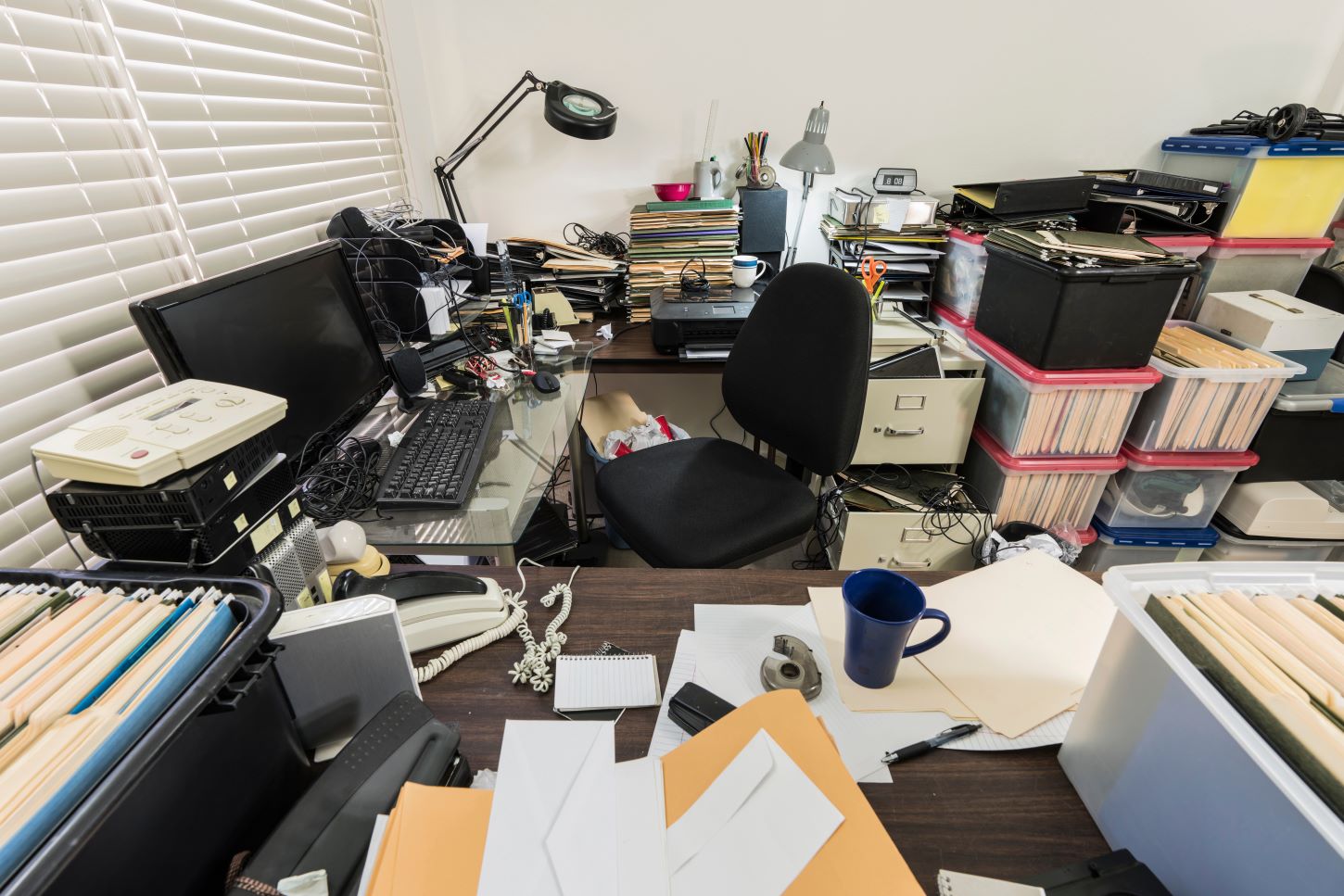
Yet many people find themselves more overwhelmed than ever—despite using more tools than before.
This is the digital productivity trap: believing that adding another app, platform, or system will finally fix workday overwhelm. In reality, technology often treats symptoms, not the root cause.
Productivity isn’t just about what you use.
It’s about how your mind, space, and workflow work together.
II. The Limitations of Digital Productivity Tools


Digital tools are powerful—but they come with limits.
• Information Overload
Dashboards, tasks, reminders, calendars—everything competes for attention. Instead of clarity, the brain is forced to constantly filter noise.
• Constant Digital Notifications
Pings, alerts, and pop-ups interrupt focus repeatedly. Even short interruptions can significantly reduce deep work capacity.
• False Sense of Productivity
Checking tasks off a screen can feel productive, even when meaningful work hasn’t progressed. Motion replaces intention.
III. The Hidden Costs of Digital-Only Productivity



When productivity relies only on digital tools, subtle costs appear over time:
-
Mental fatigue from constant context switching
-
Increased stress from never truly “logging off”
-
Reduced output despite longer work hours
The mind wasn’t designed to process endless streams of information. Without physical boundaries, work expands—and energy quietly drains.
IV. Analog Solutions for Genuine Productivity
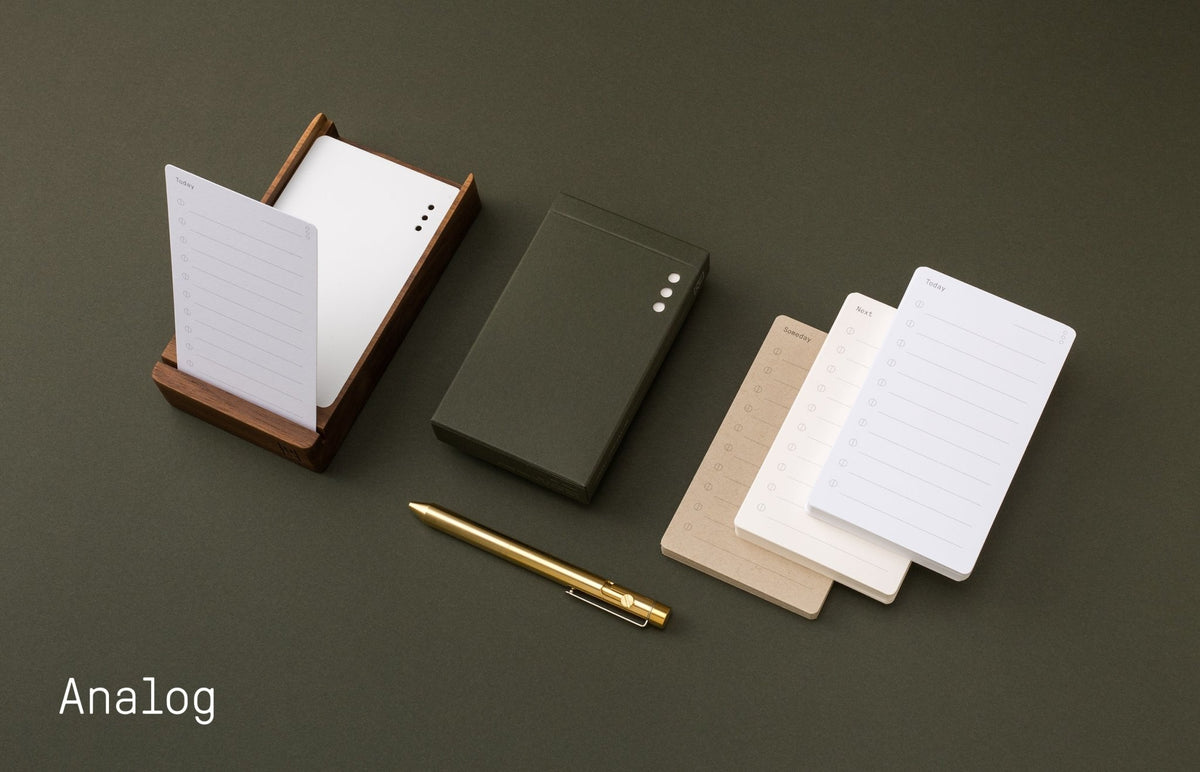

Analog tools slow the process in the best way possible.
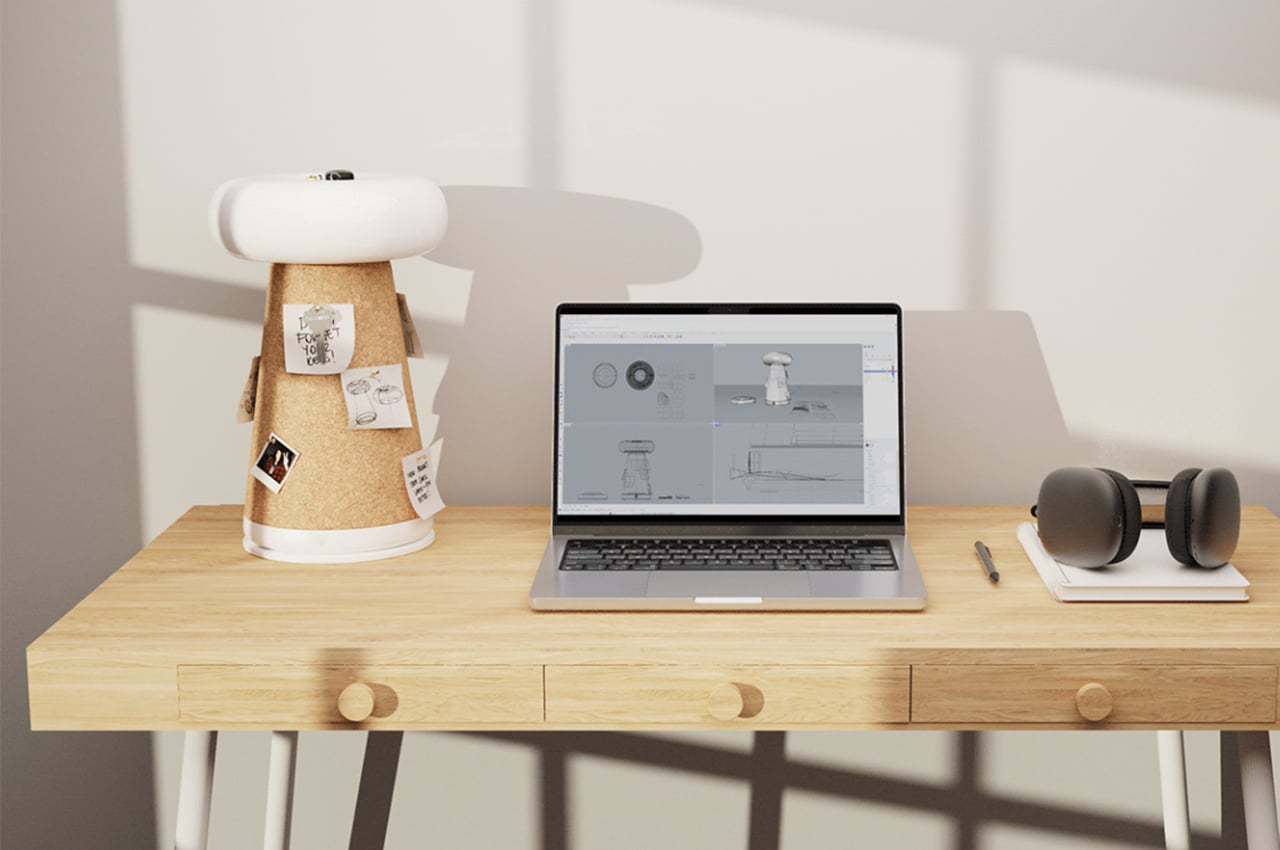
• Mindful Workspace Organization
A clear desk reduces cognitive load. When your space is intentional, your thoughts follow.
• Physical Planning Tools
Writing things down creates commitment and clarity. Paper doesn’t notify, interrupt, or distract—it anchors attention.
• Intentional Workflow Design
Analog systems encourage choosing fewer priorities and finishing them fully, instead of juggling endless tasks.
Productivity improves not by doing more—but by doing less, with focus.
V. Balancing Digital and Analog Approaches
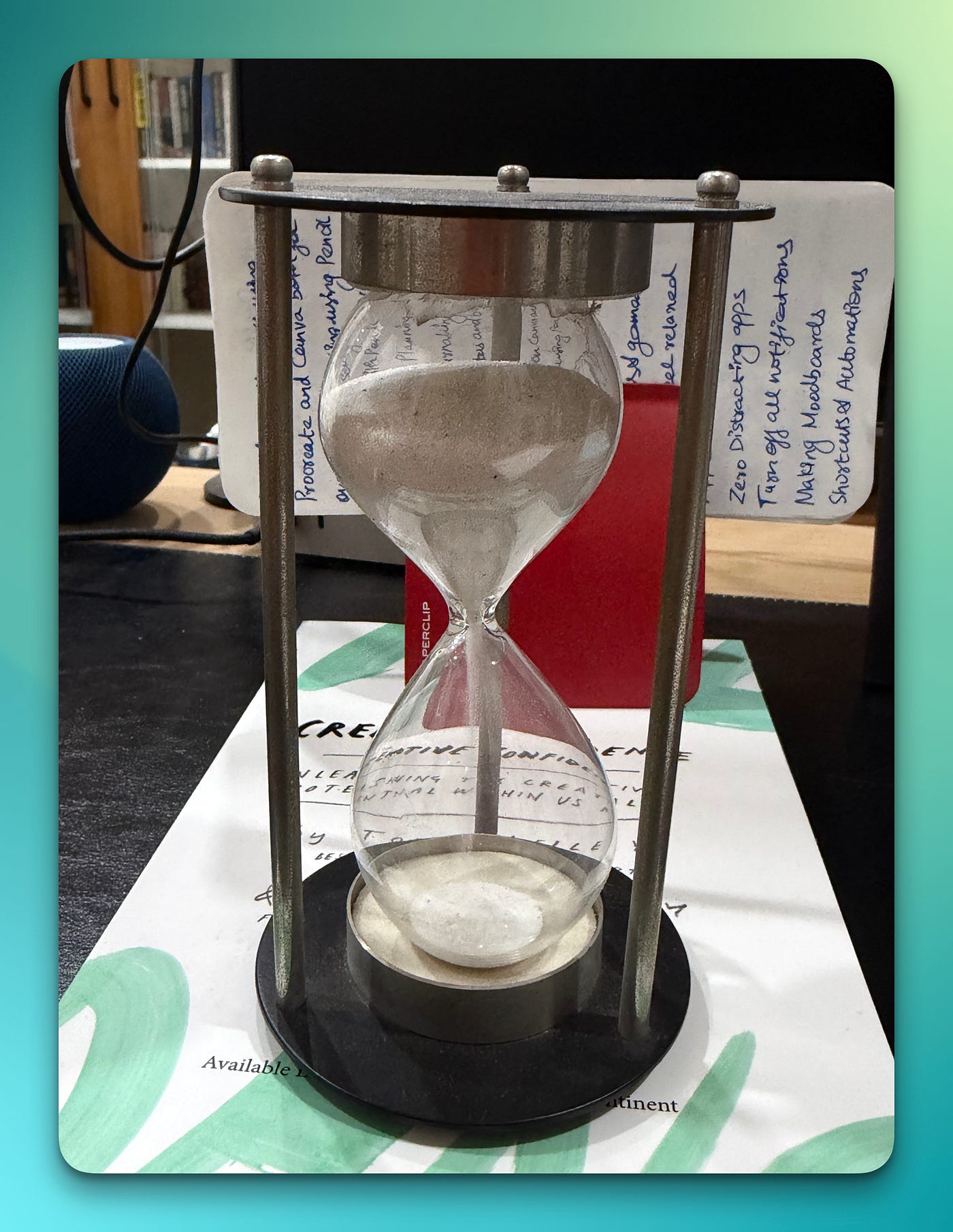


The goal isn’t to reject technology—but to use it intentionally.
-
Use digital tools for storage and communication
-
Use analog tools for thinking, planning, and prioritizing
-
Create clear boundaries between work modes
When digital and analog systems support each other, productivity feels calmer—and more sustainable.
VI. Practical Steps to Combat Workday Overwhelm


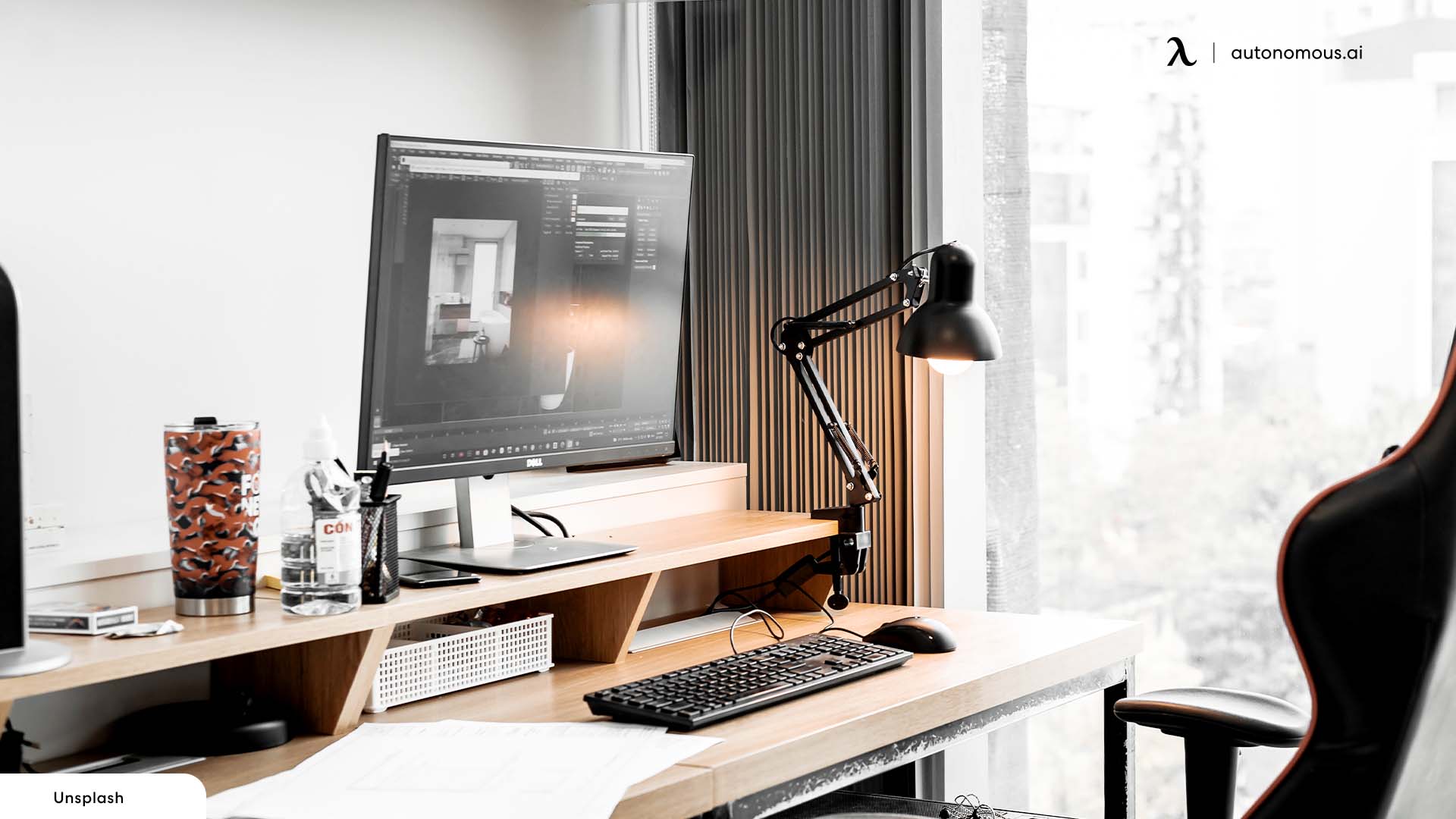
You don’t need a complete system overhaul. Start small:
-
Remove non-essential items from your desk
-
Choose one primary planning method
-
Turn off non-critical notifications
-
Designate physical space for focused work
Each step reduces friction between your mind and your work.
VII. Conclusion


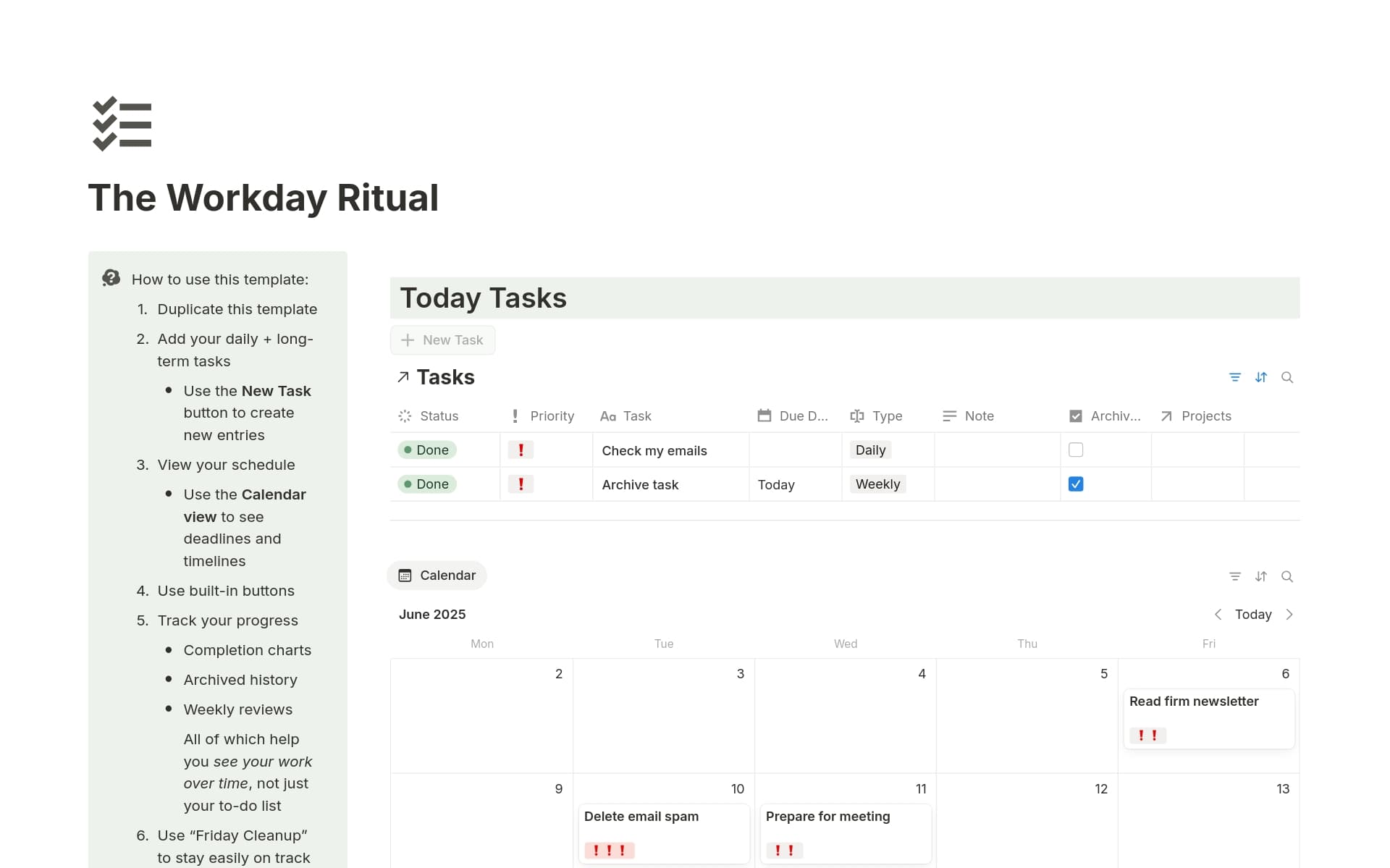
True productivity isn’t about more tools—it’s about better alignment.
When your workspace, tools, and mental energy work together, overwhelm fades. What remains is clarity, focus, and a workday that feels manageable again.
Build a system that supports how you think, not just what you do.