


Why Your Workspace Should Feel Quiet, Not Empty


I. Introduction
Minimalism is often misunderstood.
Many people aim to create an “empty” workspace—removing everything in the name of productivity. But emptiness and quiet are not the same.
An empty desk can feel cold or uninspiring. A quiet desk, on the other hand, feels intentional. It holds only what matters and leaves space for focus, thought, and creativity. The difference lies in design with purpose.
II. The Problem with Empty Spaces

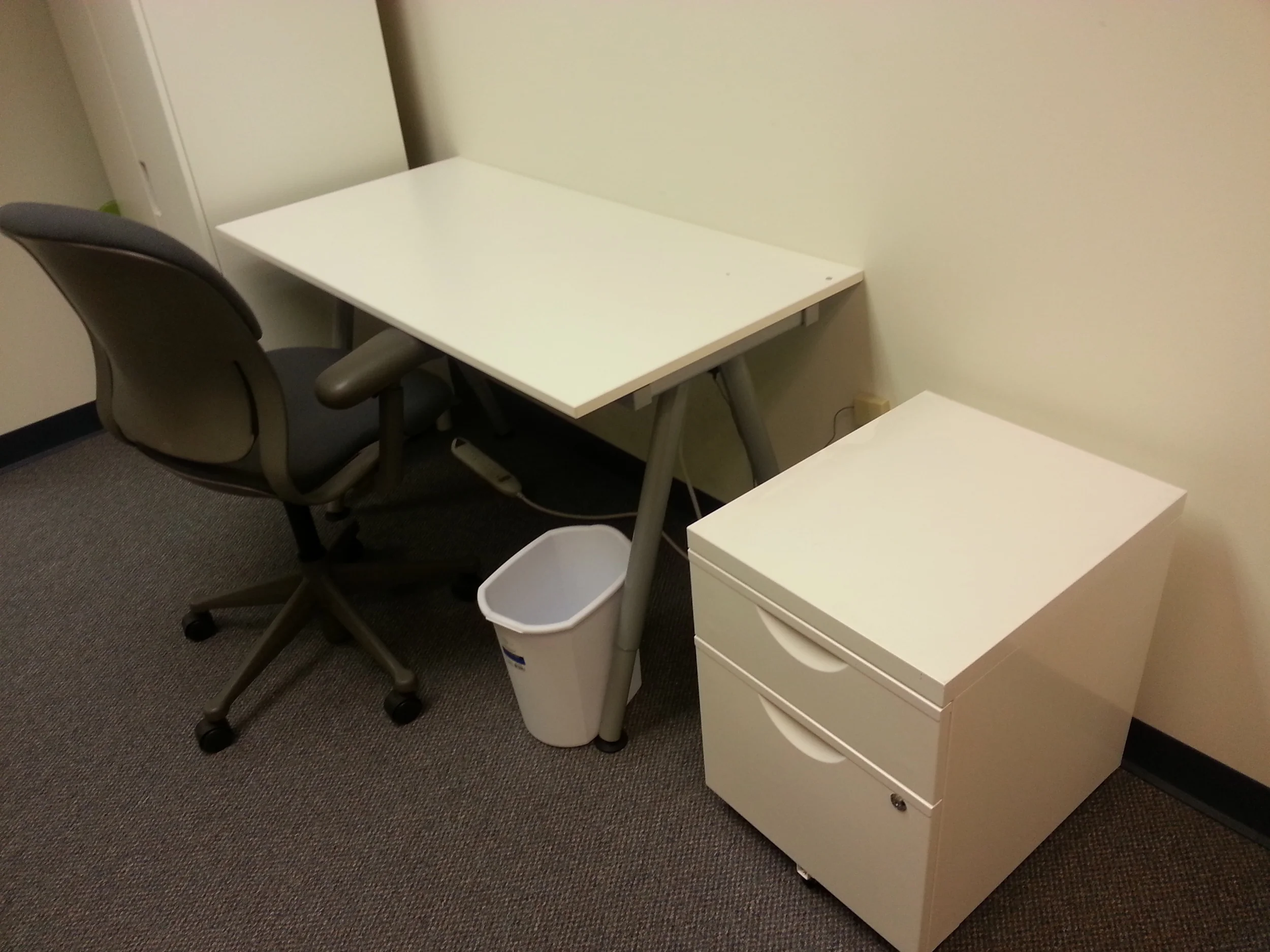
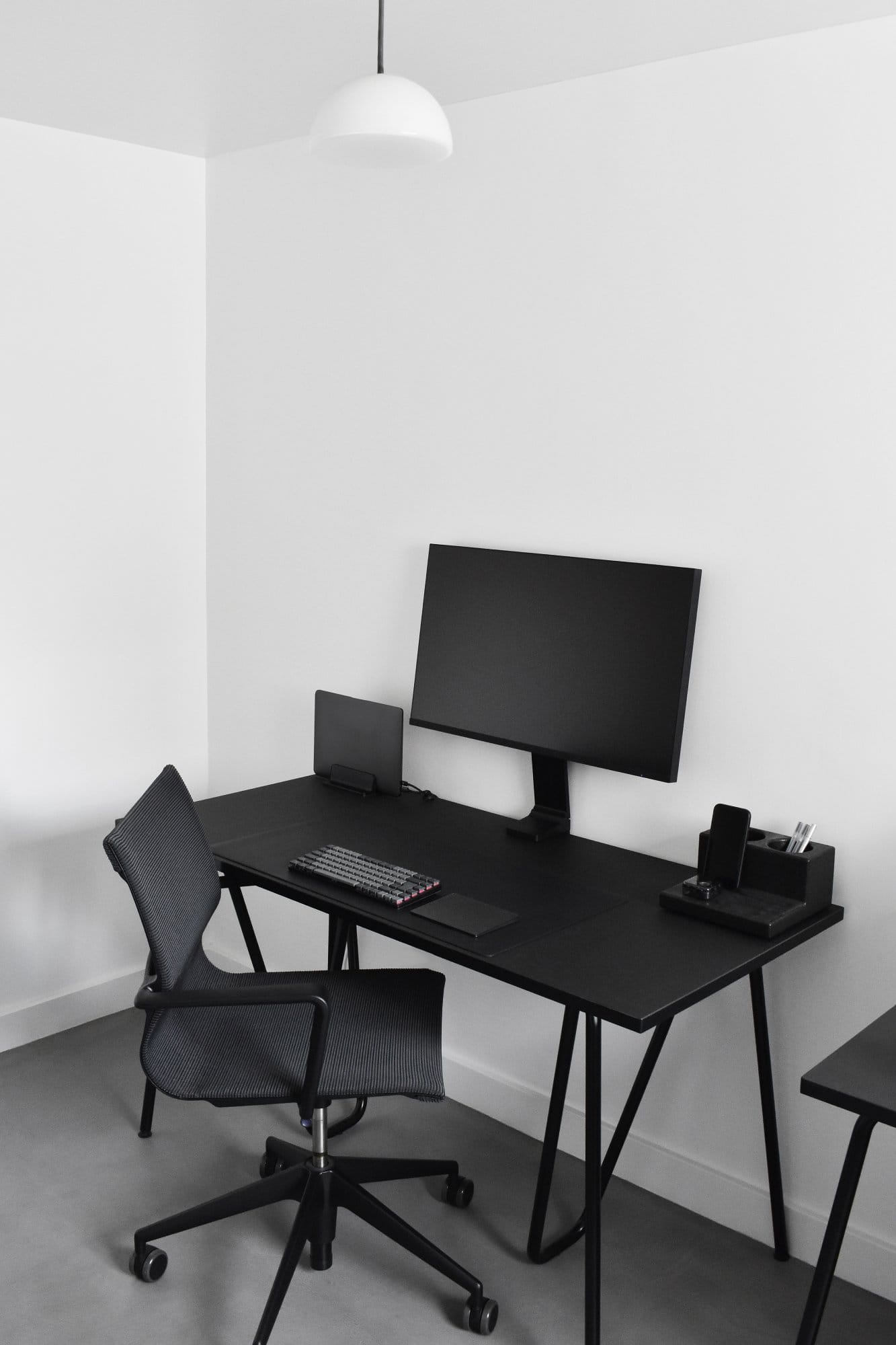
The drawbacks of sterile minimalism
When a workspace is stripped of all character, it can feel disconnected. Sterile environments may reduce visual clutter, but they can also remove warmth and meaning.
Impact on motivation and creativity
Creativity often needs subtle cues—texture, familiarity, and a sense of belonging. A completely empty space offers nothing for the mind to engage with.
III. Creating a Quiet Workspace
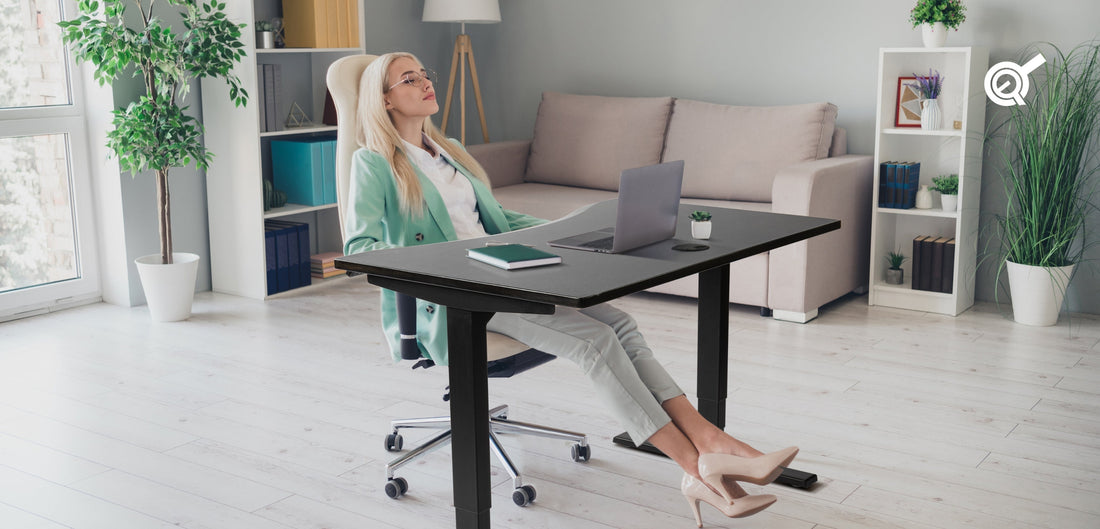


Essential elements of a calm work environment
A quiet workspace includes:
-
Clear surfaces
-
Soft, neutral colors
-
A small number of meaningful objects
Selecting purposeful, meaningful items
Each item should earn its place. A planner you use daily, a pen you enjoy, or a single object that grounds you emotionally.
Balancing minimalism with personal touch
Quiet doesn’t mean impersonal. One or two carefully chosen items can make a space feel calm and human at the same time.
IV. Productivity Benefits
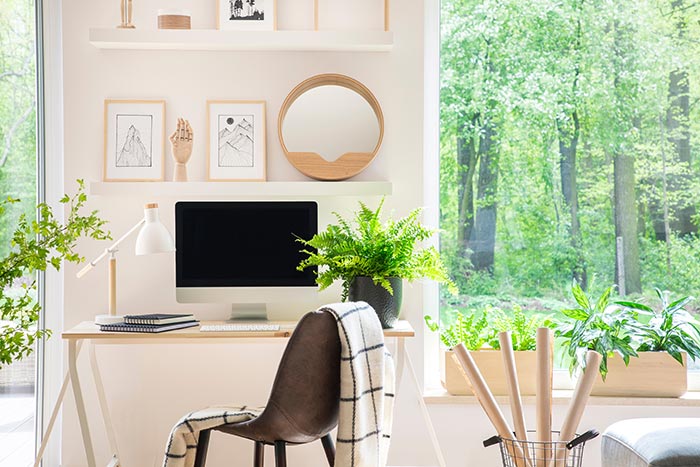
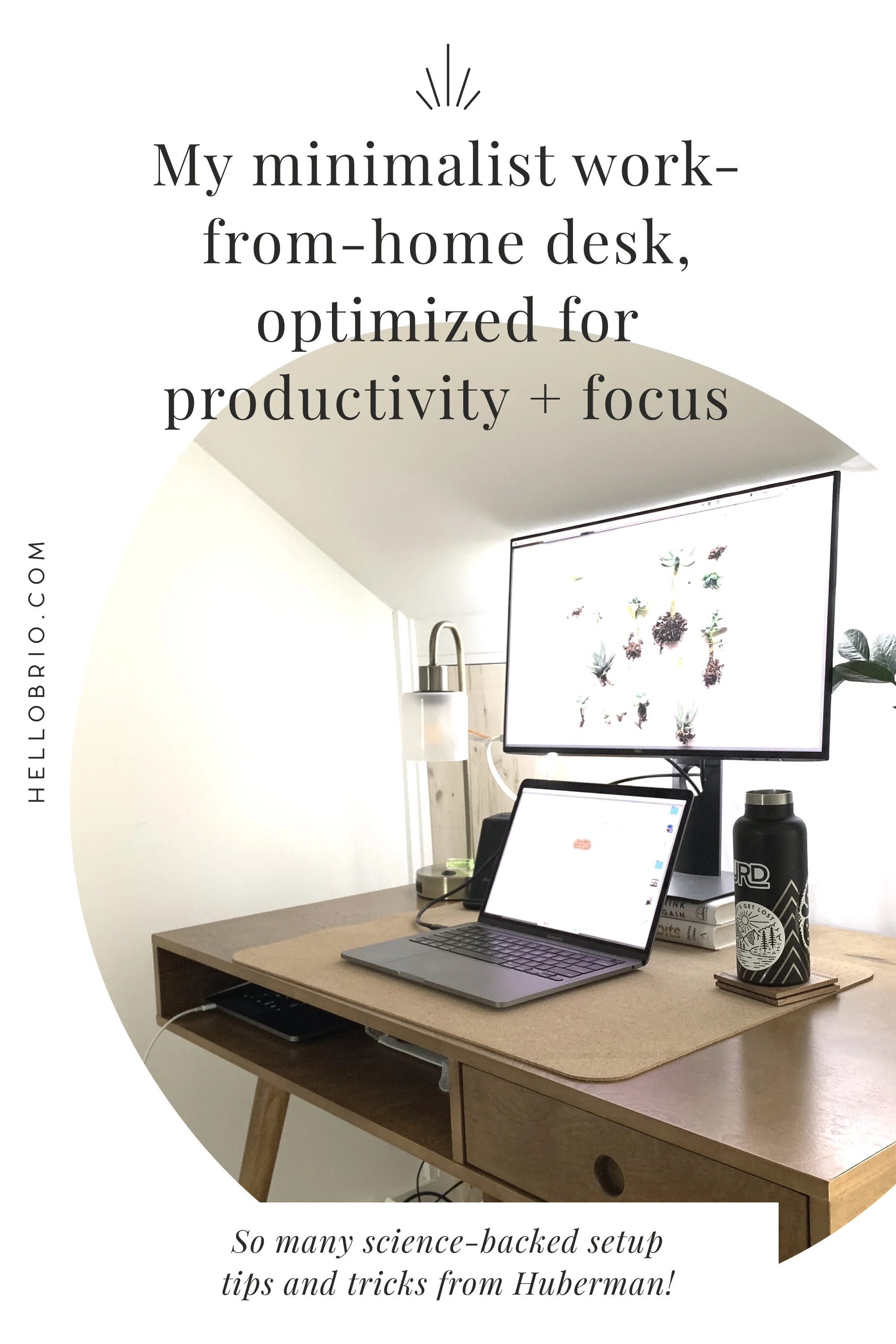
Enhanced focus
When visual noise is reduced, attention settles naturally. A quiet desk helps you enter focused work without resistance.
Reduced visual and mental clutter
Purposeful design limits unnecessary decisions, freeing mental energy for meaningful tasks.
Improved overall performance
A workspace that feels calm supports consistent productivity rather than short bursts followed by fatigue.
V. Practical Design Tips


Choosing calming color palettes
Soft neutrals, warm wood tones, and gentle contrasts help create visual harmony.
Incorporating functional, beautiful items
Function and beauty can coexist. Choose tools that work well and feel good to use.
Organizational strategies that promote tranquility
Use trays, containers, or closed storage to keep necessary items accessible but visually contained.
VI. Conclusion


A productive workspace doesn’t need to be empty.
It needs to be quiet.
Quiet comes from intention—from choosing what stays, what leaves, and how each element supports the way you work.
Take another look at your workspace.
Not to remove more, but to ask: Does this space feel calm enough to think clearly?